
Introduction: Smart Daily Savings

You wake up motivated, vowing to stash away $10 a day into that piggy bank app or jar on your counter, only to forget by lunchtime, splurge on takeout, and watch another month slip by with zero progress. Sound familiar? You’re not alone; millions face this daily savings trap, but the shocking truth is it’s not laziness, it’s human nature wired against us.
In late 2025, with inflation still nibbling at wallets and AI reshaping jobs, daily savings feels more crucial than ever. Yet, most flop because they rely on willpower alone, ignoring tools that make it automatic. Enter the secret weapons of smart savers: 11 money saving apps that turn fleeting intentions into real wealth. Let’s unpack the failure first, then dive into these game-changers.


The Shocking Reason Behind Daily Savings Failures: Why Willpower Alone Dooms Most People
Here’s the gut punch: Daily savings fails because our brains crave instant gratification, not delayed rewards like a fatter bank account months down the line. As Yahoo Finance experts point out, emotions hijack plans, stress leads to impulse buys, and without quick wins, motivation fizzles fast.
Add in unrealistic goals, like swearing off all coffee runs without a backup plan, and you’re set for burnout. Medium writers nail it: Lack of financial education means folks don’t grasp compounding, so small daily slips feel harmless, until they’re not.
Procrastination seals the deal. You think, “I’ll start tomorrow,” but habits need effort, not fads. Consumerism culture pushes spending for happiness, per Financial Samurai, making saving feel like punishment.

Common Pitfalls in Daily Savings: Emotions, Impulses, and Hidden Fees That Drain Your Efforts
Emotions aren’t the only culprit, impulse buying torpedoes budgets daily. That “just one” online cart? It adds up, as Ranch Capital highlights, often from poor financial literacy skipping basics like tracking expenses.
Living beyond means is rampant; FinanceBuzz warns against not planning for surprises like car repairs, leaving no buffer. Unnecessary fees sneak in too, think bank charges or app subscriptions, per CBS News.
Overconfidence tricks us into thinking we’re fine without structure, while Antara News notes behavioral biases like delaying savings for “later.” Reddit threads echo this: Underestimating costs leads to overcommitting on non-essentials.
Breaking the Cycle: How Smart Savers Use Money Saving Apps to Automate Success
Smart savers skip the struggle by leveraging tech. These money saving apps handle the heavy lifting, rounding up purchases, setting rules, or AI-predicting savings, turning daily habits into effortless growth.
As Globe and Mail advises, starting early with tools beats waiting for perfect conditions. In 2025, apps like these make compounding your ally, not enemy.
Ready for the lineup? We’ve curated 11 based on user reviews, features, and real results from sources like Reddit and expert picks.

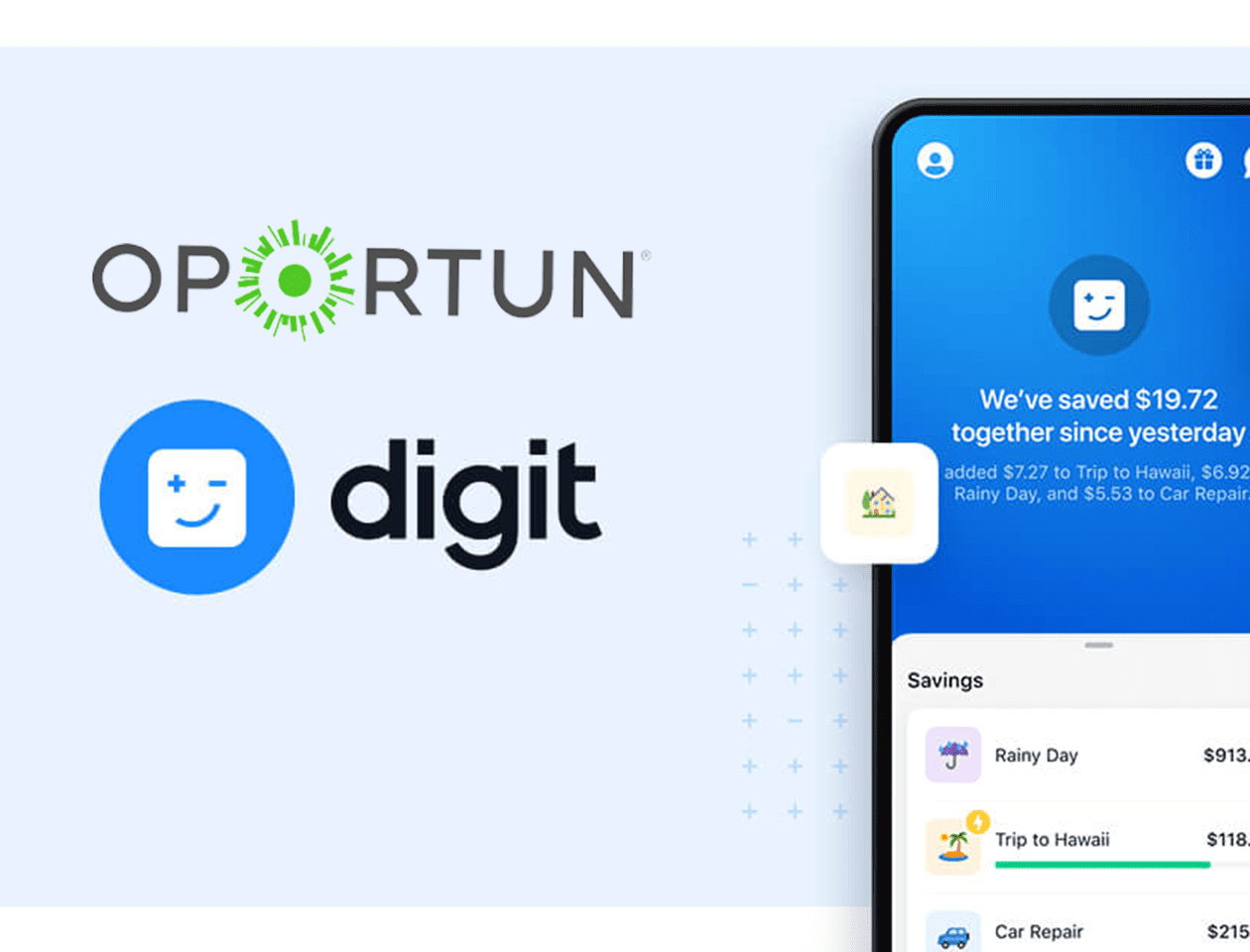
Money Saving App #1: Oportun – The AI-Powered Auto-Saver for Effortless Goals
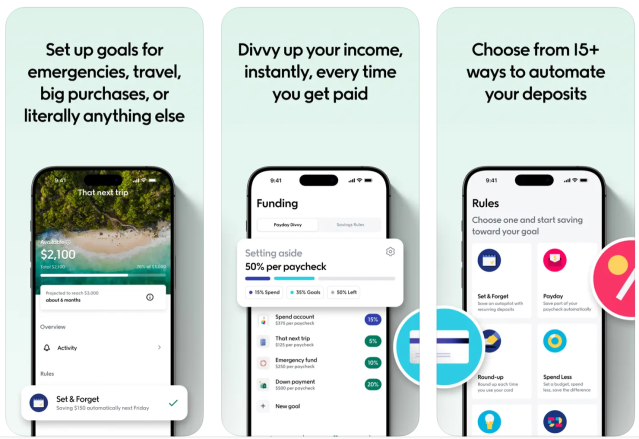
Oportun tops lists for a reason: Its Set & Save feature pulls small amounts automatically based on your spending patterns, avoiding overdrafts. Bankrate crowns it #1 for outsourcing decisions in 2025.
Best for beginners; costs $5/month after trial. Pros: FDIC-insured up to $250K, goal tracking. Cons: Limited to linked accounts.
Users rave about building $1K+ without noticing, per Oportun’s site.
Money Saving App #2: Qapital – Rule-Based Fun for Creative Savers
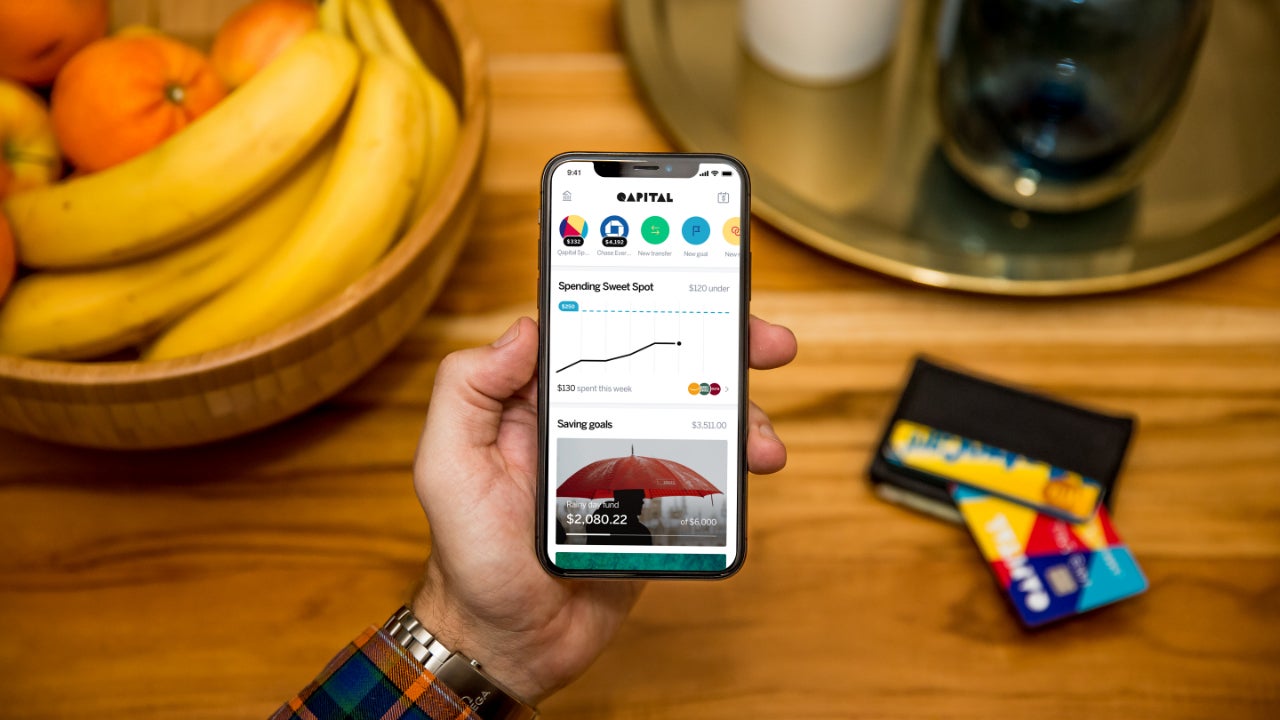
Qapital lets you set “rules” like saving $5 every coffee buy or rounding up transactions. It’s visual and gamified, making savings addictive.
Bankrate praises its goal-setting for couples or families. Cost: $3-12/month. Pros: Shared goals, Visa debit card. Cons: Fees for premium.
Smart savers use it for vacation funds, hitting targets faster.
Money Saving App #3: Acorns – Micro-Investing That Grows Daily Spare Change
Acorns rounds up purchases and invests the difference in diversified portfolios. It’s passive wealth-building at its best.
Yahoo Finance highlights its robo-adviser for newbies. Cost: $3-9/month. Pros: Automatic investing, cashback. Cons: Small fees add up.
Turn daily coffee into stocks, users average 7-9% returns annually.

Money Saving App #4: Chime – Round-Ups and Fee-Free Banking for Everyday Wins
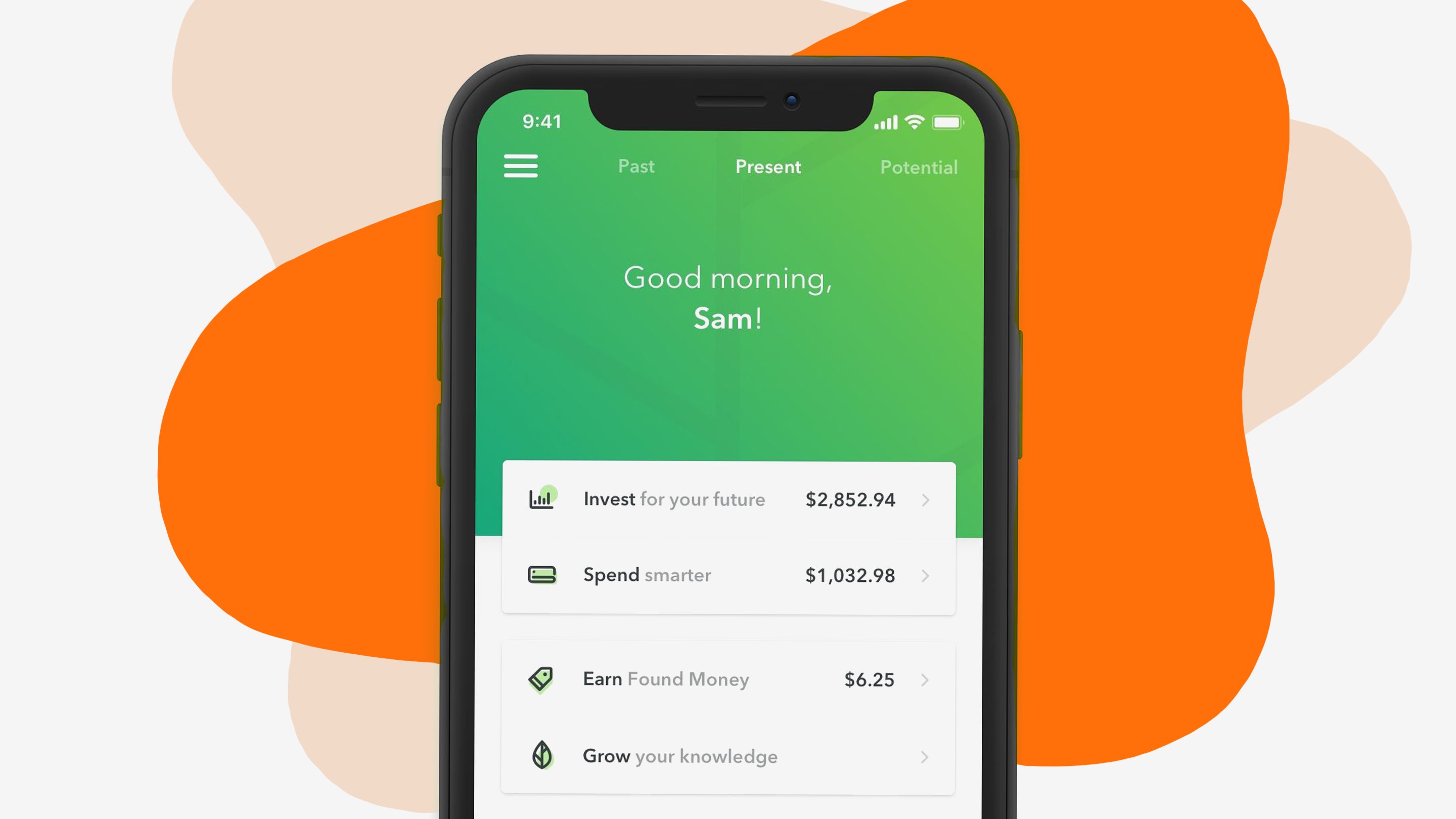
Chime’s Save When You Spend rounds up debit purchases, stashing change automatically. No overdraft fees make it forgiving.
The College Investor calls it best for keep-the-change fans. Free basic; pros: SpotMe advances, high-yield savings. Cons: No joint accounts.
Ideal for daily savers avoiding bank pitfalls.
Money Saving App #5: Current – Modern Banking with Instant Savings Boosts
Current offers round-ups plus gas hold refunds saved automatically. It’s tech-forward with early paychecks.
Bankrate notes its appeal for fee-averse users. Free; pros: Teen accounts, crypto. Cons: Limited branches.
Smart savers love the seamless integration for daily habits.
Money Saving App #6: Goodbudget – Envelope System for Disciplined Daily Trackers
Goodbudget digitizes envelope budgeting, allocating cash to categories to curb overspending.
NerdWallet recommends it for hands-on control. Free basic, $8/month premium. Pros: Shared envelopes, reports. Cons: Manual entry.
Perfect for those who failed at impulse control before.
Money Saving App #7: Rocket Money – Bill Negotiation and Subscription Slayer
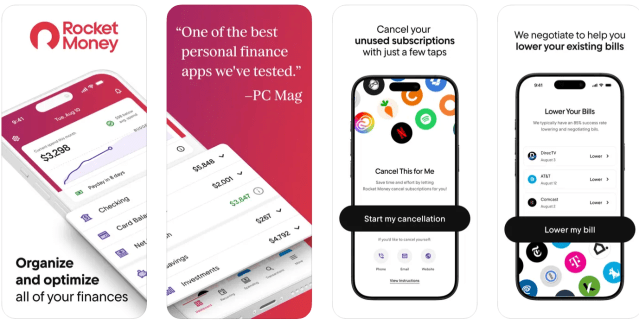
Rocket Money scans for unused subscriptions, negotiates bills, and automates savings.
Bankrate hails it for cutting hidden costs. Free tracking, premium $4-12/month. Pros: Savings from cancellations. Cons: Success-based fees.
Uncover daily leaks you never knew existed.
Money Saving App #8: YNAB (You Need A Budget) – Zero-Based Budgeting for Total Control
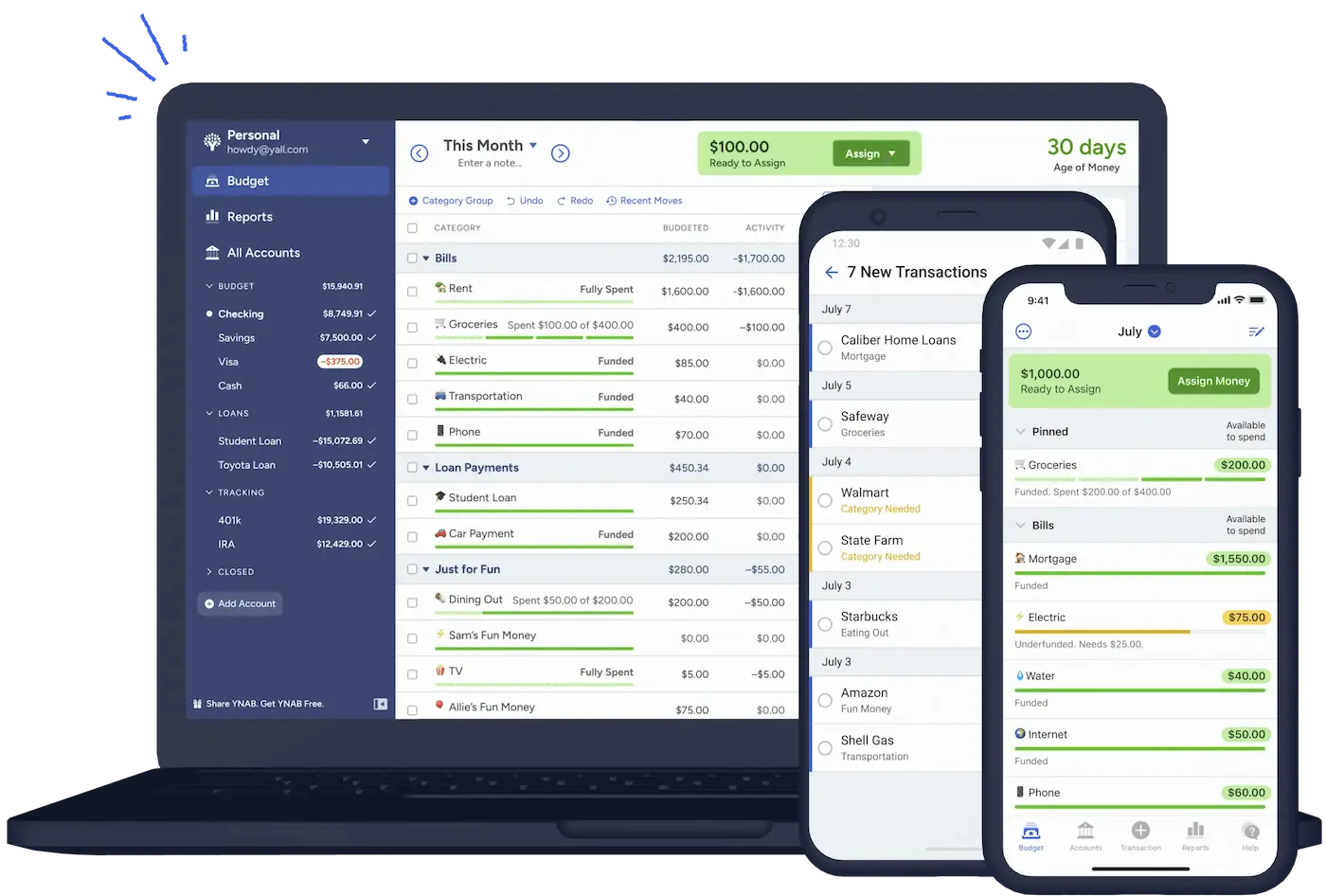
YNAB assigns every dollar a job, forcing mindful daily decisions. It’s education in app form.
YNAB’s site boasts users saving $600/month average. $99/year. Pros: Tutorials, community. Cons: Learning curve.
Transforms failures into proactive savers.

Money Saving App #9: PocketGuard – AI Insights for Daily Spending Alerts
PocketGuard tracks bills, suggests savings, and warns on overspending in real-time.
NerdWallet likes its autocategorization. Free basic, $7.99/month premium. Pros: “In My Pocket” leftover cash. Cons: Ad-heavy free version.
Keeps daily impulses in check with notifications.
Money Saving App #10: Wealthfront – Automated Investing for Long-Term Daily Growth
Wealthfront automates high-yield savings and tax-smart investing from spare change.
The College Investor names it best for investing. 0.25% fee. Pros: Path tool for goals. Cons: $500 min for some features.
Smart savers build wealth passively.
Money Saving App #11: Mint – Comprehensive Tracking for Daily Financial Overviews
Mint syncs accounts, categorizes spends, and sets savings goals with alerts.
EarnIn touts its free insights. Free. Pros: Credit monitoring. Cons: Ads, no investing.
A staple for spotting daily savings opportunities.
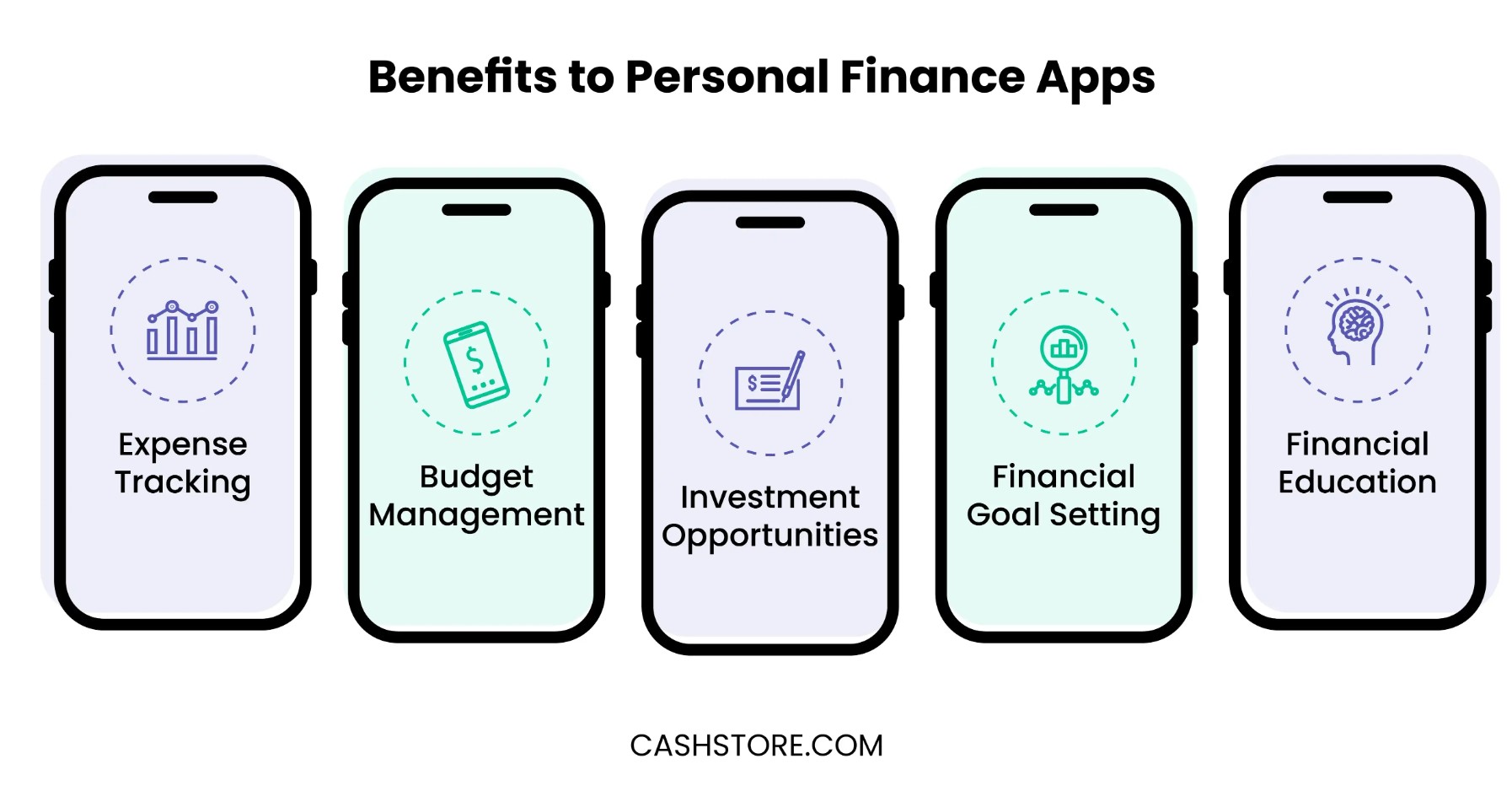
Comparing the 11 Money Saving Apps: Features, Costs, and Best Uses at a Glance
To pick your perfect match, here’s a comparison table based on 2025 reviews from US News and others.
| App Name | Key Feature | Cost | Best For | User Rating (App Store) |
|---|---|---|---|---|
| Oportun | AI auto-transfers | $5/mo after trial | Outsourcing decisions | 4.8 |
| Qapital | Custom rules & goals | $3-12/mo | Creative goal-setters | 4.7 |
| Acorns | Round-ups to investments | $3-9/mo | Micro-investors | 4.7 |
| Chime | Fee-free round-ups | Free | Everyday banking | 4.8 |
| Current | Gas refunds saved | Free | Tech-savvy users | 4.6 |
| Goodbudget | Digital envelopes | $8/mo premium | Manual trackers | 4.6 |
| Rocket Money | Subscription canceller | $4-12/mo premium | Bill negotiators | 4.4 |
| YNAB | Zero-based budgeting | $99/year | Habit builders | 4.8 |
| PocketGuard | Spending alerts | $7.99/mo premium | Impulse controllers | 4.5 |
| Wealthfront | Automated portfolios | 0.25% fee | Long-term investors | 4.8 |
| Mint | Account syncing & alerts | Free | Overview seekers | 4.8 |
This table highlights automation as the key to beating failures.
Are These Money Saving Apps Safe? Security Insights for Worry-Free Daily Use
Safety first: Most apps use bank-level encryption and FDIC insurance. CNET advises checking for two-factor authentication.
Oportun and Chime partner with insured banks; Acorns is SIPC-protected for investments. Read privacy policies—avoid sharing full SSN unless necessary.
Benefits of Switching to Money Saving Apps: From Daily Struggles to Smart Wealth Building
Apps flip the script: Automation beats emotions, per MoneySavingExpert. Small daily transfers compound—$5/day at 5% yields $20K in 10 years.
They educate too, building literacy that prevents failures. BestColleges shows students saving 20% more with them.

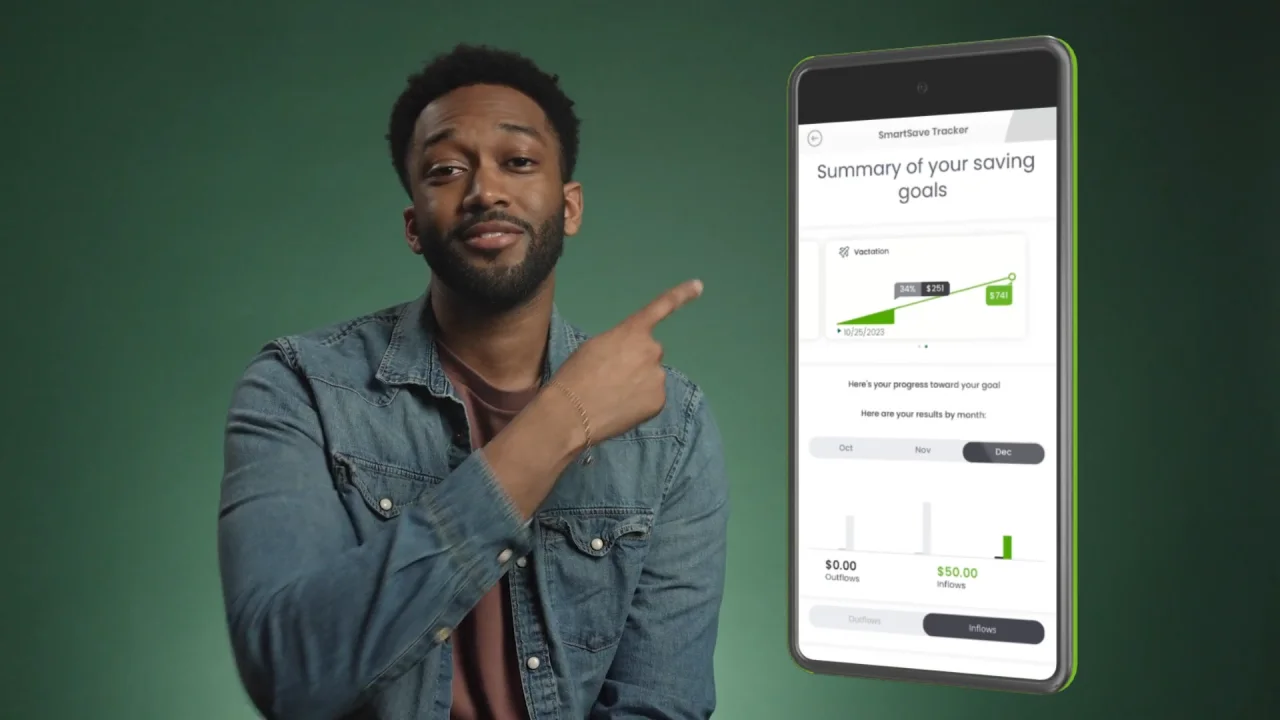

Getting Started: Tips for Integrating Money Saving Apps into Your Daily Routine
Pick one app matching your pain point, impulses? PocketGuard. Goals? Qapital.
Link accounts, set small targets, review weekly. Money Mentors suggests combining with high-yield accounts.
Track progress; celebrate milestones to beat no-gratification blues.
Real User Stories: How These Money Saving Apps Turned Daily Failures into Successes
One Redditor switched to YNAB after impulse fails, saving $3K in six months. Another used Acorns for $500 in “found” investments yearly.
Financial Mentor shares microsavings turning pennies into thousands.
Adapting Money Saving Apps for 2026: Emerging Trends and Future-Proofing
Looking ahead, AI enhancements in apps like Copilot (from NerdWallet) predict spends better. Crypto integration in Current grows.
Stay updated; Save the Student reviews yearly for UK/US trends.
The Bottom Line: Ditch Daily Savings Fails with These Smart Apps Today
We’ve exposed the shocking wiring that dooms daily savings, emotions, impulses, lack of structure, and armed you with 11 money saving apps that automate victory. From Oportun’s AI to YNAB’s discipline, these tools make smart saving secret no more.
In 2025’s economy, don’t wait. Pick one, start small, watch your wealth grow.
CTA: Download Oportun or your top pick today, transform failures into funds. Share this if it shocked you! Which app will you try? Comment below. Read more on auto-savers at US News. Share now!
(Word count: 2,812)