Introduction: Reliable Investment Apps

You’re about to transfer money into that shiny new investment app promising effortless growth. It looks professional, the reviews seem okay, and everyone’s talking about high yields.
But stop. In 2025, fintech apps make saving and investing feel effortless, until they don’t. One overlooked detail, and you could lose everything.

I’ve watched too many people get burned over the years. With scams surging, the FBI reported a 300% spike in certain investment fraud complaints this year, ignoring these red flags isn’t just careless. It’s dangerous.
Today, we’re pulling back the curtain on the five most ignored warning signs in savings and investment apps. These aren’t rare; they’re common pitfalls that trap everyday users. Spot them early, and you’ll protect your money. Miss them, and regret hits hard.
Why Checking Red Flags in Savings and Investment Apps Matters More Than Ever in 2026
Fintech exploded in 2025. High-yield Investment apps offer rates up to 4.35%, while robo-advisors and trading platforms promise easy wealth-building. Apps like Robinhood, Acorns, Fidelity, and Wealthfront dominate lists.
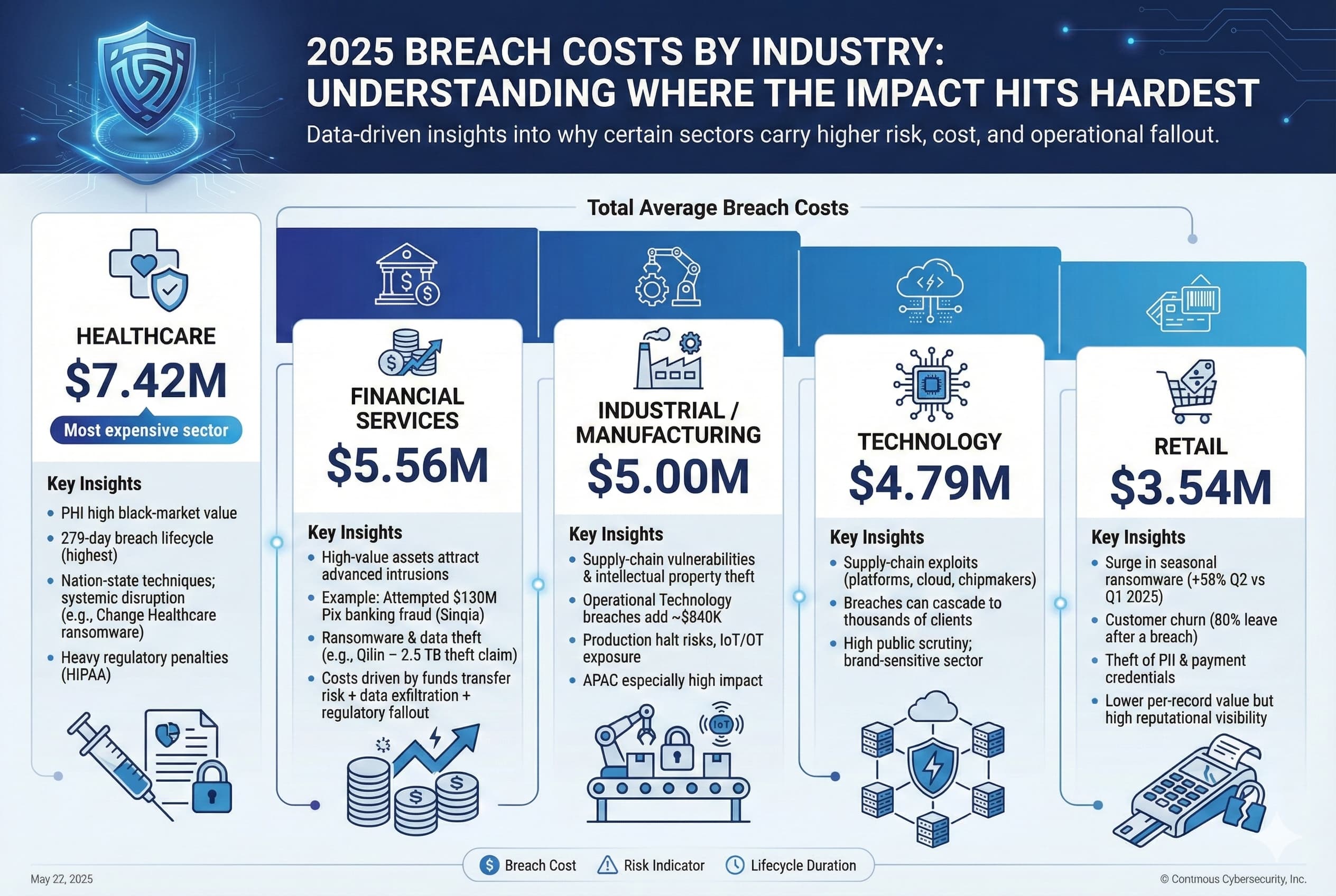
But convenience comes with risks. Data breaches hit fintech hard – third-party vendors caused 41.8% of incidents, per recent reports. Average breach costs? Over $6 million. And scams? AI-powered deepfakes and impersonation schemes are rampant.
The shocking truth: Most users skip basic due diligence. They see a slick interface and dive in. Don’t be that person. Let’s break down the red flags.
Red Flag 1: No FDIC or SIPC Insurance – The Shocking Vulnerability That Leaves Your Money Unprotected
This one’s the biggest gut punch. Many assume every banking or investing app protects your funds like a traditional bank. Wrong.
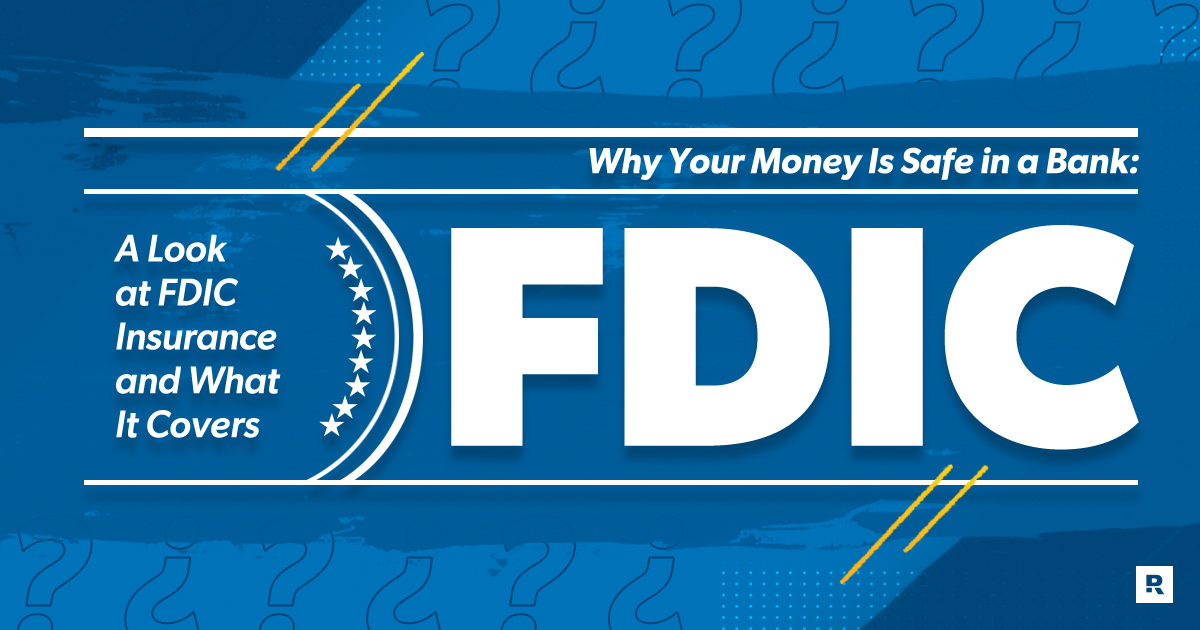
For savings apps, look for FDIC insurance, up to $250,000 per depositor if the institution fails. Investment apps need SIPC coverage, protecting against brokerage failure (not market losses).
Ignore this, and your money vanishes if the app or its partner bank collapses. In 2025, with economic volatility, this risk feels all too real.
Why do most users miss it? Apps bury disclosures in fine print or use partner banks without clear badges.
How to check:
- Search the app’s footer or FAQ for “FDIC insured” or “SIPC protected.”
- Verify on the official FDIC website or SIPC directory.
- Legit high-yield options like those reviewed by NerdWallet prominently display it.
Pro tip: If it’s a crypto or unregulated “investment” app promising sky-high yields, run. No insurance means no safety net.
Red Flag 2: Hidden Fees That Silently Drain Your Returns – The Sneaky Cost Trap Most Overlook
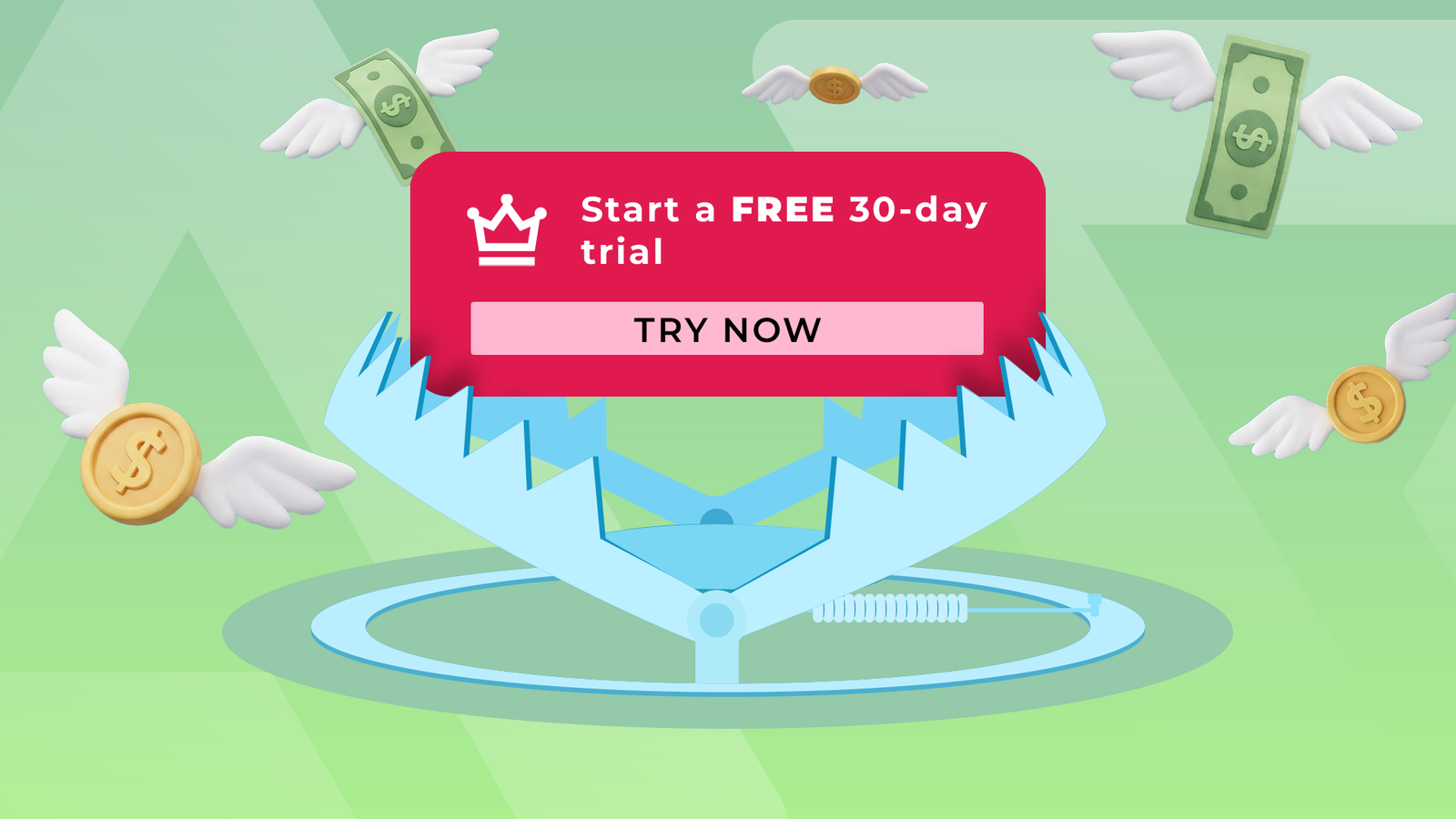
Apps love advertising “no fees” or “free trades.” But dig deeper, and surprise charges lurk – inactivity fees, withdrawal costs, or premium feature upsells.
In investment apps, these eat returns over time. A 1% annual fee on $10,000? That’s $100 gone yearly, compounding to thousands lost.
Shocking stat: Many users discover fees only after months, when statements reveal the bleed. In 2025, with rates fluctuating, every dollar counts.
Common hidden culprits:
- Account maintenance or transfer-out fees.
- Spreads on trades or currency conversions.
- Subscription tiers disguised as “pro” features.
How to spot them:
- Read the fee schedule before signing up – it’s usually linked in the app.
- Compare via sites like Bankrate.
- Ask yourself: If it’s “free,” how do they make money? Often, it’s you.
Safe apps are transparent. Fidelity and Charles Schwab, for example, keep costs low and clear.
Red Flag 3: Weak Security or a History of Data Breaches – The Terrifying Exposure in 2025’s Hack-Heavy World
Cyber threats evolved in 2025. AI scams, phishing, and vendor breaches are everywhere. Fintech led breach costs at nearly $6 million per incident.
If an app skimps on security – no two-factor authentication (2FA), biometric login, or encryption, your data’s at risk. Worse: Apps with past breaches often downplay them.
Why ignored? Users prioritize convenience over safety. But one hack, and thieves access linked banks.
Red flags to watch:
- No mandatory 2FA or weak options (SMS only, easily hacked).
- History of incidents, search “[app name] data breach 2025.”
- Reliance on third-parties without strong vetting (41.8% of fintech breaches stem here).
Checks:
- Demand app features like face ID and real-time alerts.
- Review privacy policies for data sharing.
- Stick to established players with clean records.
Recent examples highlight third-party risks, always verify the chain.
Red Flag 4: Promises of Unrealistic or Guaranteed High Returns – The Classic Scam Bait That’s Exploding in 2025
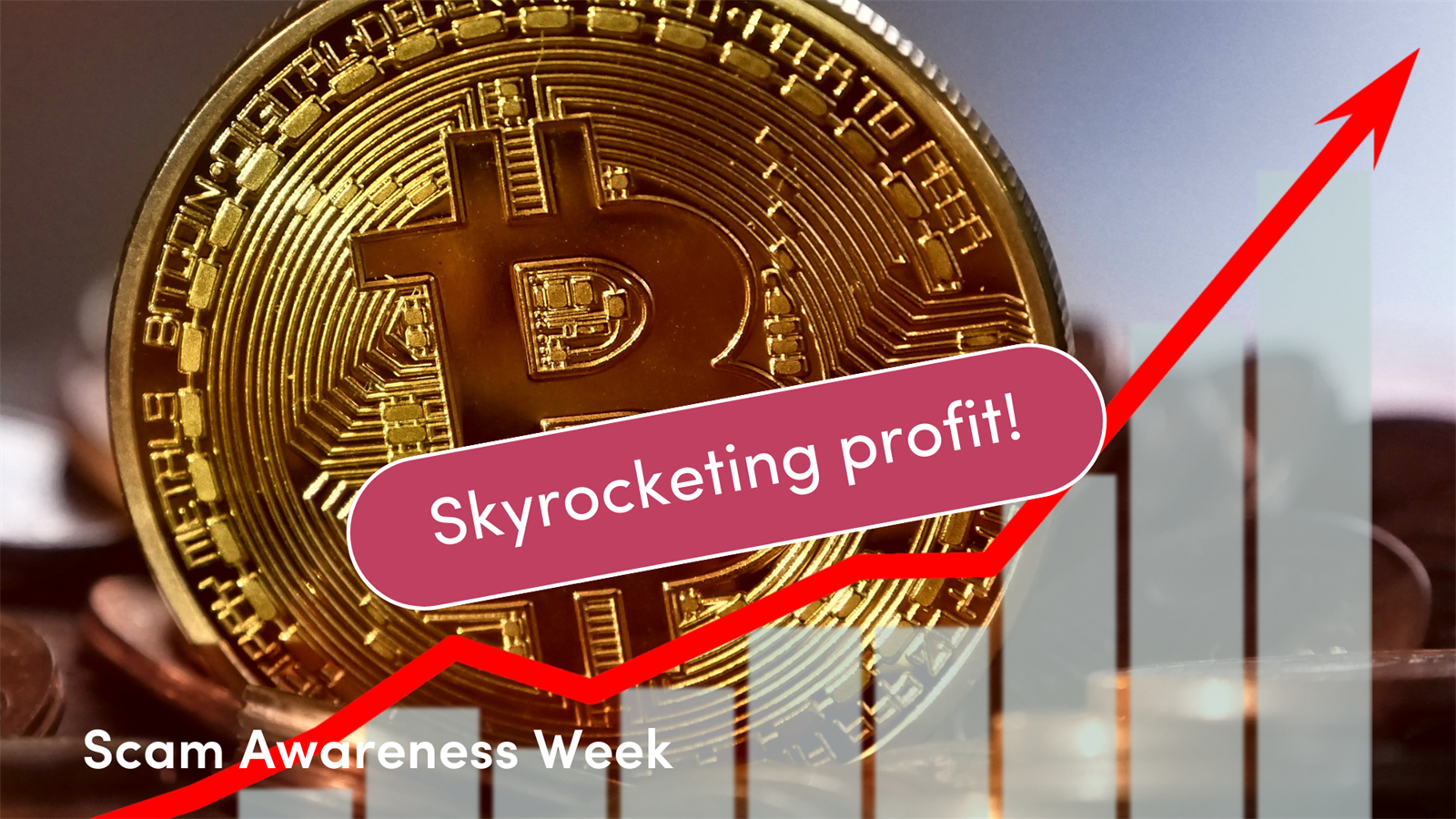
“If it sounds too good to be true…” You know the saying. Yet in 2025, apps and social media groups push “guaranteed” 10-20% returns with “no risk.”
This screams scam. Legit savings yield 4-5% max; investments fluctuate. Promises of fixed high returns? Often Ponzi or pig-butchering schemes, up massively per FBI alerts.
Shocking part: These target trusting users via fake apps or impersonation. Victims lose life savings.
Warning signs:
- “Risk-free” language or guaranteed profits.
- Pressure to invest quickly or recruit friends.
- Ties to crypto without regulation.
Always verify via Investor.gov’s fraud checklist. Real growth takes time and involves risk.
Red Flag 5: Flood of Negative Reviews and Poor Customer Support – The Ignored Cry for Help from Real Users
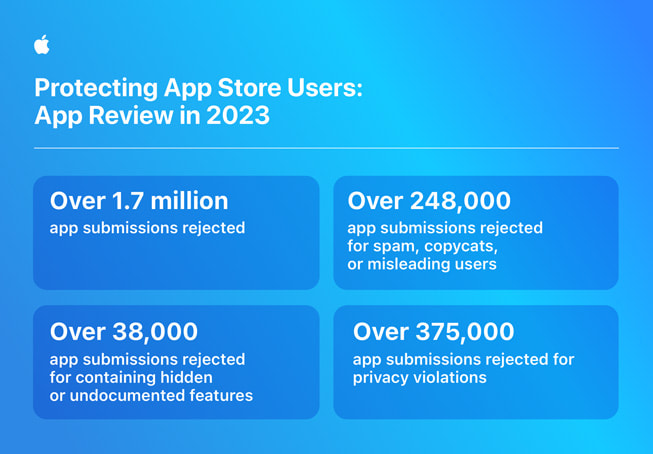
App stores overflow with complaints, yet downloads continue. Locked funds, slow withdrawals, unresponsive support these signal deep issues.
In 2025, bad service often means bigger problems, like liquidity troubles or fraud cover-ups.
Why overlooked? Positive reviews get faked; negatives buried. But patterns don’t lie.
How to investigate:
- Check App Store/Google Play beyond the average rating, read recent 1-2 star reviews.
- Search Reddit or forums for “[app name] problems 2025.”
- Test support pre-funding with a question.
Top-rated apps like those on Forbes’ 2025 list prioritize user experience.
Quick Comparison: Safe Savings and Investment Apps vs. Common Red Flags
Here’s a clear table to visualize the difference. Data drawn from 2025 reviews on NerdWallet, Forbes, and fraud reports.
| Feature | Safe Apps (e.g., Fidelity, Ally, Wealthfront) | Red Flag Apps (Common Traps) |
|---|---|---|
| Insurance | FDIC/SIPC clearly stated and verifiable | None mentioned or fake claims |
| Fees | Transparent, low or zero for basics | Hidden charges revealed later |
| Security | Strong 2FA, no major breach history | Weak protections, past incidents |
| Returns Promises | Realistic, market-based | Guaranteed high yields, “no risk” |
| Reviews/Support | High ratings, responsive help | Patterns of complaints, ghosting |
This contrast shows why due diligence pays off.
Safe Alternatives: Top Savings and Investment Apps to Consider in 2025
Want options that pass these checks?
- High-Yield Savings: Ally or Capital One, FDIC insured, competitive rates, no fees.
- Investing: Fidelity or Vanguard apps, SIPC protected, low costs, excellent support.
- Robo-Advisors: Betterment or Wealthfront, transparent, insured partners.
Start small, verify everything, and scale up.
Final Thoughts: Protect Your Money from Shocking Red Flags in Savings and Investment Apps
We’ve exposed the five red flags most users ignore: no insurance, hidden fees, weak security, unrealistic promises, and bad reviews. In 2025’s fast-paced fintech world, skipping these checks invites disaster.
Your money’s too valuable for risks. Take five minutes to verify before transferring a dime.
Which red flag surprised you most? Tried a sketchy app before? Share in the comments, your story could save someone.
CTA: Ready to invest safely? Download my free “2025 Safe Fintech Checklist” below – it includes verification links and top app picks. Grab it now, share this post with a friend, and let’s build wealth the smart way. Read more on secure investing next? Click here for my guide to high-yield accounts. Share now!