
Introduction:
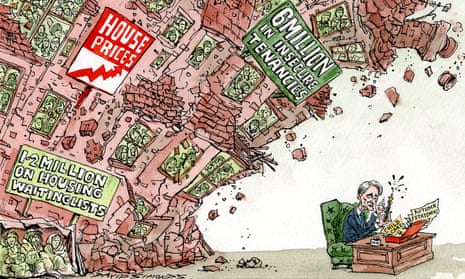
Think about scrolling through your bank app, seeing another rent hike swallow your paycheck, while headlines boast rising house prices as “good news” for the economy. But for millions in the UK, this double whammy feels like a trap, rents soaring to an average £1,368 monthly, and climbing property values locking even more people out of homeownership.
In early 2026, as we digest the latest data from late 2025, it’s clear: UK rents aren’t just high; they’re symptomatic of deeper issues. Stick with me as we unpack seven hidden reasons behind this surge, and why house prices rising only pours salt on the wound.
The Shocking State of UK Rents in 2026: Hitting £1,368 and Beyond
UK rents have reached eye-watering levels, with the Office for National Statistics reporting an average of £1,368 per month by December 2025, a 4% jump from the previous year. In England alone, that’s £1,424 monthly, while London’s tenants fork out £2,268 on average.
This isn’t a blip; it’s a trend fueled by years of imbalance. As affordability stretches thin, many wonder: Why now? And how does house prices rising tie into this mess?
We’ll dive into the hidden culprits, but first, let’s acknowledge the pain, wages grew just 4.8% in 2025, barely keeping pace with these UK rents.
Hidden Reason 1: Chronic Housing Supply Shortage Driving UK Rents Up
At the heart of skyrocketing UK rents lies a simple math problem: Too few homes for too many people. The UK built only about 160,000 new homes in 2025, far short of the 300,000 needed annually, according to estimates from the National Housing Federation.
This shortage pushes competition fierce, allowing landlords to charge more. In high-demand areas like London, where supply lags even further, UK rents balloon disproportionately.
Worse? House prices rising, up 1.7% to £270,000 average, encourages investors to hold properties, reducing rental stock and amplifying the squeeze.
Hidden Reason 2: Population Growth and Immigration Fueling Demand for UK Rents
The UK’s population hit 68 million in 2025, boosted by net migration of over 600,000, per ONS figures. More people mean more renters, especially in urban hubs.
Immigrants often start in the private rental sector, adding pressure. A Savills report notes this demand surge kept UK rents climbing 6% in some regions last year.
House prices rising? It traps newcomers in renting longer, as deposits soar beyond reach, exacerbating the demand that drives UK rents even higher.
Hidden Reason 3: Rising Landlord Costs Passed Onto UK Rents
Landlords aren’t immune to inflation. Higher interest rates, peaking at 5.25% in 2025, jacked up buy-to-let mortgage costs, with many remortgaging at double the rates.
Add in new regulations, like energy efficiency mandates costing £10,000+ per property, and taxes such as stamp duty surcharges. A LandlordZone analysis shows these expenses get passed to tenants via higher UK rents.
When house prices rising inflate property values, landlords’ insurance and maintenance bills follow suit, another hidden hit to your monthly outgo.
Hidden Reason 4: Wage Stagnation vs. Escalating UK Rents
While UK rents hit £1,368, average wages rose modestly to £38,000 annually. That’s a 40% rent increase since 2020 against 31% wage growth, per LettingaProperty.com insights.
This gap leaves renters spending 35%+ of income on housing, hitting affordability ceilings. In lower-wage areas like the North East, UK rents jumped 7.9%, outpacing local earnings.
House prices rising worsens it: Aspiring buyers stay renting, but stagnant wages mean they can’t absorb further hikes without cutting essentials.
Hidden Reason 5: Buy-to-Let Exodus Shrinking Rental Supply
Tougher taxes and uncertainty from the Renters’ Rights Bill prompted a landlord sell-off. Hamptons data reveals 18% more rental homes listed for sale in 2025.
Fewer landlords mean less supply, pushing UK rents up. Scotland’s rent controls saw similar exits, per a Big Issue report.
Ironically, house prices rising benefits selling landlords but reduces rental options, creating a vicious cycle where remaining UK rents climb to compensate.
Hidden Reason 6: Inflation and Economic Pressures Inflating UK Rents
Inflation hovered at 4.1% in late 2025, driving up everything from repairs to utilities. Landlords, facing these costs, adjust UK rents accordingly.
Post-pandemic recovery added fuel: Supply chain issues hiked building materials 20%, delaying new homes and sustaining high UK rents.
House prices rising, tied to inflation, signals economic “strength”, but for renters, it means higher borrowing costs trickle down, making affordability even tougher.

Hidden Reason 7: Regional Disparities Amplifying UK Rents Inequality
UK rents vary wildly: London’s £2,268 vs. North East’s £762. But even “affordable” areas saw 7.9% hikes, per ONS.
Southern hotspots attract jobs, inflating demand. Northern regions catch up as remote work spreads, but infrastructure lags.
House prices rising nationwide, 2.5% annually, hits hardest where rents are already stretched, widening the north-south divide and trapping more in unaffordable UK rents.
UK Rents vs. House Prices: A Comparative Table for Clarity
To visualize the crunch, here’s a table comparing average UK rents and house prices by region in late 2025, based on ONS and Empower data. Notice how rising house prices correlate with rent pressures.
| Region | Average Monthly UK Rents (£) | Average House Prices (£) | Annual Rent Growth (%) | Annual House Price Growth (%) |
|---|---|---|---|---|
| London | 2,268 | 523,000 | 2.1 | 0.7 |
| South East | 1,350 | 375,000 | 3.5 | 1.4 |
| East Midlands | 900 | 245,000 | 4.5 | 2.0 |
| North East | 762 | 160,000 | 7.9 | 3.3 |
| Scotland | 1,018 | 192,000 | 2.8 | 4.5 |
| Wales | 822 | 209,000 | 5.7 | 0.7 |
| UK Average | 1,368 | 271,000 | 4.0 | 2.5 |
This snapshot shows house prices rising sustains high UK rents, as buyers delay purchases.
Why House Prices Rising Makes UK Rents Even Worse: The Vicious Cycle Explained
House prices rising sounds positive, but it’s a renter’s nightmare. A 2.5% uptick in November 2025, per Nationwide, means larger deposits—£54,000 average for first-time buyers.
More stay renting, boosting demand and UK rents. Landlords, seeing property gains, might sell for profit, shrinking supply.
A LSE Politics blog highlights: Price-to-rent ratios doubled since 1997, signaling overvalued homes push UK rents up as alternatives dwindle.
Impacts on Everyday Life: How High UK Rents and Rising House Prices Affect You
High UK rents force tough choices, skipping vacations, delaying families. Barclays insights show 64% of young buyers cite house prices rising as a barrier.
Mental health suffers; evictions rose 10% in 2025 amid unaffordability. For families, it’s instability; singles, shared housing woes.
House prices rising locks generations out, widening inequality, hidden costs beyond the £1,368.
Government Policies: Are They Helping or Hindering UK Rents?
The Renters’ Rights Act aims to curb no-fault evictions, but critics like Mortgage Introducer warn it could scare landlords away, hiking UK rents further.
Housing targets of 1.5 million new homes by 2030 promise relief, but delivery lags. Stamp duty changes fueled house prices rising, indirectly pressuring rents.
A balanced approach, tax incentives for landlords, more social housing, could ease UK rents, but 2026’s budget will tell.
What Can Renters Do? Practical Tips Amid High UK Rents
Feeling stuck? Negotiate renewals, many landlords prefer stable tenants over voids.
- Check entitlements: Use tools like Shelter’s advice for fair UK rents.
- Budget smart: Apps track spending to counter hikes.
- Explore schemes: Help to Buy or shared ownership combat house prices rising.
- Relocate: Cheaper regions offer lower UK rents without sacrificing quality.
Long-term: Vote for housing reforms; community campaigns push change.
Future Outlook: Will UK Rents Keep Rising in 2026?
Zoopla predicts 3% UK rents growth in 2026, slower but still burdensome. If house prices rising continues at 2-3%, demand stays high.
Supply boosts from new builds could help, but economic uncertainty, like potential rate cuts, might spur more buying, easing UK rents slightly.
Watch for policy shifts; without action, £1,368 could become nostalgia.
Wrapping Up: The Hidden Toll of UK Rents at £1,368 and Rising House Prices
We’ve uncovered seven hidden reasons UK rents hit £1,368, from supply shortages to economic pressures, and how house prices rising traps more in this cycle.
It’s not hopeless; awareness sparks change. In 2026, let’s push for solutions that make housing accessible.
CTA: Struggling with UK rents? Dive into ONS’s full report here. Share this if it resonates, tag a friend facing the crunch. What’s your rent story? Comment below! Read more on adaptations in Savills’ forecast here. Share now!