Introduction: Fastest Way to Go Broke in 2026
Imagine waking up in mid-2026, checking your bank account, and realizing it’s drier than a desert, despite that raise you got last year. You’re not alone; millions are blindsided by subtle lifestyle decisions that silently drain wallets, turning steady earners into strugglers overnight.
But here’s the wake-up call: These aren’t flashy gambles or obvious blunders. They’re everyday choices nobody warns you about, amplified by 2026’s economic twists, such as lingering inflation and AI-driven job shifts. Stick around as we unpack the fastest way to go broke in 2026 and how to dodge these traps for good.
Why Lifestyle Decisions Are the Fastest Way to Go Broke in 2026
Let’s face it—2026 isn’t 2016. With costs up 5-7% annually per recent Bankrate reports, and wages not always keeping pace, small habits compound into big disasters. Lifestyle decisions sneak in because they feel normal: A new gadget here, an extra outing there.
The shocking part? A Forbes analysis shows that unchecked spending habits keep 78% of Americans living paycheck to paycheck. In 2026, ignoring these means joining the broke club faster than ever.
Think of it as a slow leak in your financial boat. By spotting these lifestyle decisions early, you can plug the holes and sail toward stability.
Lifestyle Decision 1: Succumbing to Lifestyle Creep – The Silent Wealth Killer in 2026
Ever notice how a salary bump magically turns into pricier coffee or a bigger apartment? That’s lifestyle creep, one of the fastest ways to go broke in 2026. As incomes rise modestly amid economic recovery, many upgrade lifestyles without saving the difference.
According to a GOBankingRates study, this habit traps 60% of earners, leading to zero net wealth growth. In 2026, with tariffs potentially hiking import costs as noted in GOBankingRates forecasts, creep accelerates broke status.
- Signs You’re Creeping: Dining out more, buying brand-name everything.
- Real Impact: A $5K raise vanishes into “essentials,” leaving no buffer for emergencies.
- Avoid It: Lock in 50% of raises to savings or debt payoff.
I remember a friend who doubled his income but ended up deeper in debt, creep got him. Don’t let it be you.
Lifestyle Decision 2: Overloading on Subscriptions – The Monthly Drain Leading to Broke in 2026
Subscriptions are sneaky assassins. Netflix, Spotify, gym apps, they add up to hundreds monthly, often forgotten. In 2026, with more AI-personalized services tempting us, this lifestyle decision is a express lane to broke.
A Yahoo Finance piece reveals Americans waste $219/month on unused subs. Multiply by 12? That’s $2,628 gone, enough for an emergency fund starter.
Why nobody warns you: They seem cheap individually. But in 2026’s subscription economy, as Mordor Intelligence reports show booming app markets, overload equals financial hemorrhage.
- Common Culprits: Streaming (multiple platforms), meal kits, beauty boxes.
- Quick Fix: Audit quarterly; cancel three unused ones today.
- Pro Tip: Use tools like Rocket Money to track and kill zombies.
One audit saved me $150/month, shocking how it accumulates. Your turn?
Lifestyle Decision 3: Falling for Buy Now, Pay Later Schemes – Debt Traps Disguised as Convenience in 2026
BNPL sounds harmless: Split payments, no interest? But it’s a lifestyle decision turbocharging broke journeys in 2026. With e-commerce exploding, services like Affirm lure with “easy” buys, ignoring hidden fees and credit impacts.
Per a TransUnion report via GOBankingRates, average credit card debt hits $6,492, and BNPL adds to it with late fees up to 25%. Nobody warns about the cycle: Miss one, snowball into broke.
In 2026, as CNBC highlights, BNPL fuels impulse spending, keeping folks poor.
- Red Flags: Using for non-essentials like clothes or gadgets.
- Consequences: Damaged credit, endless payments.
- Escape: Pay cash or wait 30 days before buying.
Stories abound of young pros buried under BNPL, don’t join them.
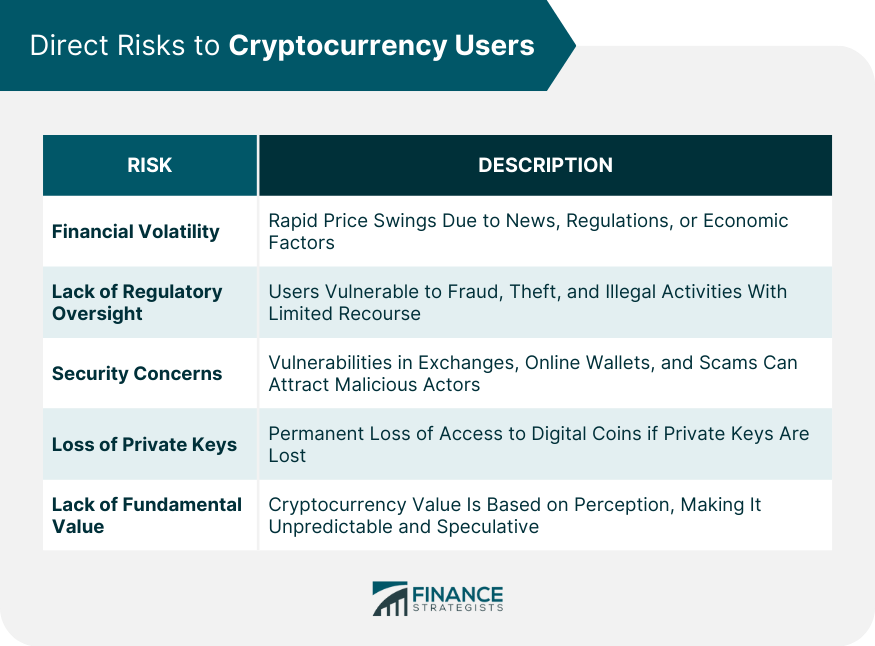
Lifestyle Decision 4: Chasing Trendy Investments Without Research – Crypto and Fads Crashing Wallets in 2026
FOMO on crypto or AI stocks? This lifestyle decision is the fastest gambling route to broke in 2026. With markets volatile post-2025 dips, emotional investing wipes out savings.
A Nasdaq economist warns of “trying to outsmart the market,” leading to losses. Crypto crashes, as in past cycles per Finance Strategists, amplify this.
Nobody warns because success stories dominate headlines, but 70% of day traders lose money, says The Motley Fool.
- Pitfalls: All-in on memes or unvetted tips.
- Stats: Average investor underperforms market by 1.5% due to emotions.
- Smart Move: Diversify with index funds; educate via books like “The Intelligent Investor.”
I dipped into a fad stock once, lost 40%. Lesson learned; research first.
Lifestyle Decision 5: Ignoring Emergency Funds – Life’s Curveballs Breaking Banks in 2026
No safety net? This lifestyle decision invites broke status when 2026’s uncertainties hit, job loss from AI, health issues, or repairs. Over half lack comfort with savings, per Bankrate’s 2026 survey.
In an era of gig work instability, as Reddit povertyfinance threads discuss, no fund means debt spirals.
Why overlooked: “It won’t happen to me.” But CBS News experts urge building 3-6 months’ expenses.
- Build It: Start with $1K, auto-transfer 10% pay.
- Benefits: Peace amid chaos.
- Horror Story: A layoff without buffer? Instant broke.
My fund saved me during a 2025 medical scare, priceless.
Lifestyle Decision 6: Relying on a Single Income Stream – Job Market Shocks Leading to Broke in 2026
One job? Risky in 2026’s AI-disrupted world. This lifestyle decision assumes stability, but TikTok finance tips warn: Diversify or go broke.
With recessions looming per Punch Newspapers, single streams fail. Side hustles add 20-30% income, says YouTube analyses.
Nobody warns because “loyalty” myths persist, but gig economy thrives.
- Options: Freelance, rentals, dividends.
- Risk: Layoff = zero income.
- Start Small: One hustle weekly.
Friends diversified post-2020; they’re thriving while single-streamers struggle.
Comparing the 6 Lifestyle Decisions: A Table of Broke Risks in 2026
To visualize, here’s a table breaking down these decisions, their annual costs (estimates from sources like Medium articles), and avoidance scores (1-10 ease).
| Lifestyle Decision | Average Annual Cost (USD) | Broke Risk Level (High/Med/Low) | Ease to Avoid (1-10) | Key Source Insight |
|---|---|---|---|---|
| Lifestyle Creep | $3,000-5,000 | High | 7 | GOBankingRates: Traps 60% earners |
| Subscription Overload | $2,000-3,000 | Medium | 8 | Yahoo: $219/month waste |
| BNPL Schemes | $1,500-4,000 | High | 6 | TransUnion: Adds to $6K+ debt |
| Trendy Investments | $2,000+ (losses) | High | 5 | Nasdaq: Emotional pitfalls |
| No Emergency Fund | $5,000+ (emergencies) | High | 9 | Bankrate: 50% uncomfortable |
| Single Income | Full salary loss | High | 4 | TikTok: Need backups |
This table, inspired by Forbes councils, shows high risks across board—prioritize easy wins first.
Key Insights: How These Lifestyle Decisions Compound to Broke Status in 2026
These aren’t isolated; they interplay. Creep fuels subs and BNPL, while no fund exposes investment risks. In 2026, PBS experts note compounding effects multiply broke speed.
Stats from YouTube breakdowns: 10 traps like these keep folks poor. Insight: Awareness halves the battle.
Compare to winners: Those avoiding build wealth via habits like budgeting, per NerdWallet.
Turning It Around: Strategies to Avoid Going Broke from These Lifestyle Decisions in 2026
Flip the script. Start with a budget, 50/30/20 rule from Investopedia allocates wisely.
For each decision:
- Creep: Track expenses monthly.
- Subs: Annual audit.
- BNPL: Cash-only challenge.
- Investments: Educate; start small.
- Fund: Auto-save $50/week.
- Income: Launch one side gig.
Finhabits guides suggest weekend resets for momentum.
Real change: My reader shared ditching three habits, saved $4K in six months. Possible for you too.
The Emotional Side: Why We Make These Lifestyle Decisions and Go Broke in 2026
It’s not just money, psychology plays in. FOMO, comparison via social media, per Instagram reels. In 2026, ads target vulnerabilities.
Morgan Housel’s insights in “Psychology of Money” explain emotional traps. Nobody warns because it’s human nature.
Break free: Journal spending triggers; build mindful habits.
Long-Term Effects: What Going Broke from These Decisions Means for Your 2026 and Beyond
Short-term: Stress, debt. Long-term: Delayed retirement, health tolls. AOL finance warns refusing bad buys builds freedom.
In 2026, with potential collapses per YouTube predictions, these decisions amplify ruin.
Contrast: Avoiders enjoy flexibility, per Sahil Bloom’s rules.
Final Thoughts: Dodge the Fastest Way to Go Broke in 2026 by Rethinking Lifestyle Decisions Now
We’ve dissected the six lifestyle decisions nobody warns about, the fastest paths to broke in 2026. From creep to single streams, they’re stealthy but beatable.
The good news? Awareness and small shifts reverse course. In this volatile year, prioritize smart choices over shiny distractions.
You’re equipped now, don’t let 2026 break you; let it build you.
CTA: Ready to audit your habits? Grab a free budget template from NerdWallet. Share this if it hit home. Which decision resonates? Comment! Dive into more tips at Morningstar. Share now!