Introduction
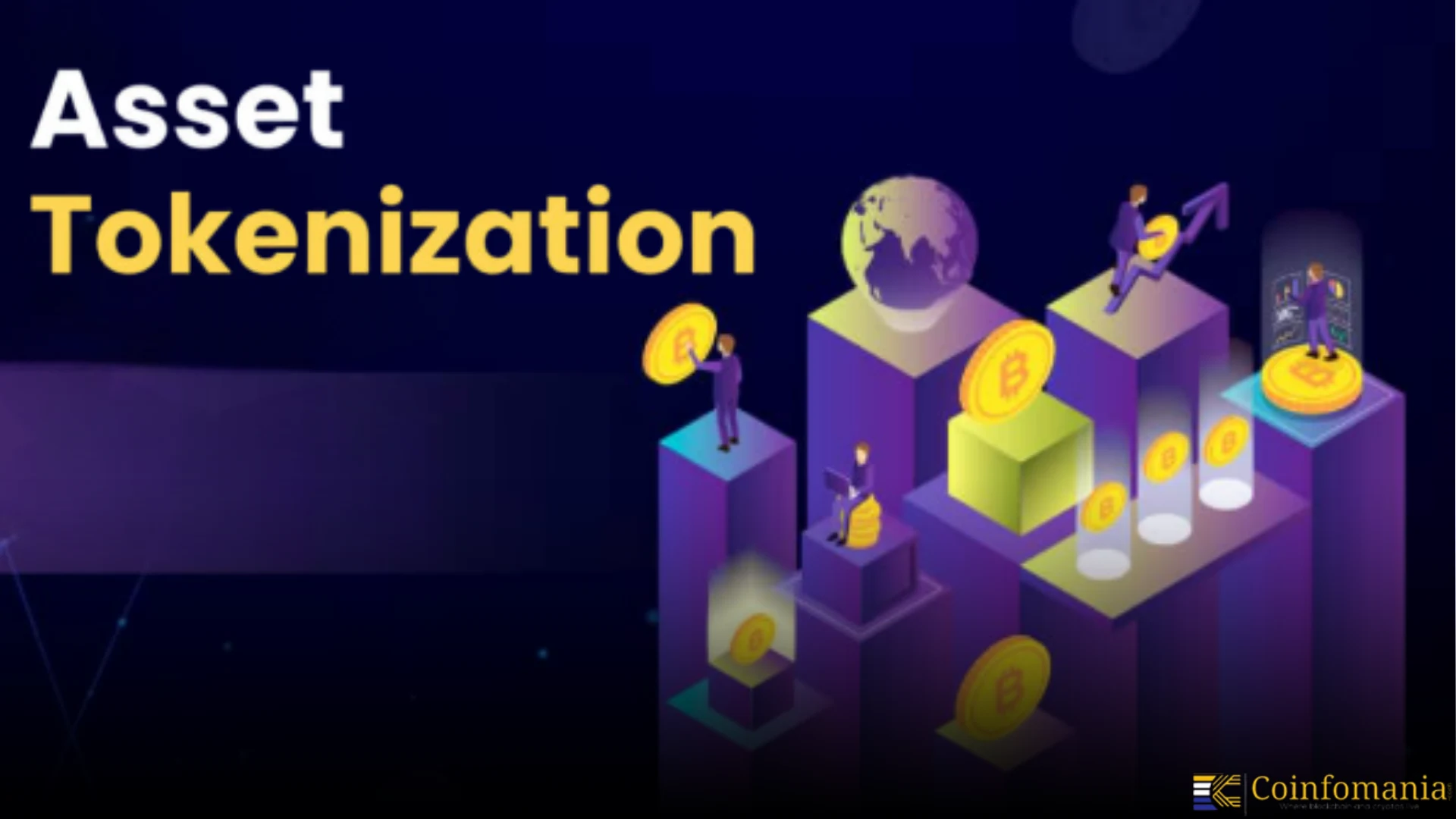
Tokenized assets are rewriting the rules of modern wealth building — and fast. What started as an experimental idea is now becoming a full-fledged financial revolution. Real estate, gold, fine art, precious metals, carbon credits, private equity — nearly every premium asset class is being reimagined as a digital token. For many investors, this shift is thrilling. Fractional investing opens the doors to markets once reserved for high-net-worth individuals. Alternative investments no longer require a six-figure check. Real-World Asset Tokenization offers liquidity options that traditional markets never could.
But that excitement comes with a hidden trap.
The biggest danger with tokenized assets is not the technology — it’s the mistakes investors make when they rush in without proper understanding.
In this guide, we break down the 9 ultimate risks you must avoid when investing in fractional real-world wealth and alternative tokenized markets, especially from 2025–2027 as tokenization goes mainstream.
And we’ll explore not only what to avoid — but how to navigate the tokenized wealth landscape intelligently and profitably.
Let’s dive in.
Tokenized Assets Risk #1: Regulatory Uncertainty in Alternative Investments
Regulation is the backbone of safe investing. Tokenized assets live at the intersection of blockchain and traditional finance, making them subject to evolving rules. Many jurisdictions still classify tokenized assets differently — some view them as securities, others as commodities.
This inconsistency exposes investors to risks such as:
- Sudden rule changes
- Delisting of tokenized assets
- Forced shutdowns of fractional ownership platforms
- Asset freezes
- Loss of trading rights
Even the BIS (Bank for International Settlements) has warned about increased oversight for tokenized assets — see their analysis on digital asset supervision in the context of Real-World Asset Tokenization (do-follow):
🔗 https://www.bis.org/publ/qtrpdf/r_qt2312g.htm
Why This Matters
Regulatory instability can crush liquidity, restrict withdrawals, or even render your investment temporarily worthless.
Tokenized Assets Risk #2: Platform Failure in Fractional Investing
Tokenization requires platforms — and platforms can fail.
Fractional ownership providers vary wildly in:
- Financial health
- Technical security
- Liquidity reserves
- Business longevity
- Custodial transparency
If a fractional real estate or gold-backed token platform collapses, investors may face:
- Unrecoverable funds
- Frozen assets
- Loss of legal ownership claims
- Years of unresolved bankruptcy cases
When evaluating Best Fractional Ownership Platforms for Real Estate and Alternative Markets, always check:
- Audits
- Custody structure
- Withdrawal limits
- Insurance
- Compliance certifications
Why This Matters
The asset may be safe — but the platform holding your digital proof of ownership might not be.
Risk #3: Overestimating Liquidity in Real-World Asset Tokenization
One of the biggest misconceptions about fractional investing is believing tokens = instant liquidity.
Not always.
Real-world assets like real estate or fine art are inherently illiquid. Tokenizing them improves liquidity, but doesn’t magically create buyers.
Many investors fall into this liquidity trap:
- Low trade volume on marketplaces
- Wide bid–ask spreads
- Difficulty selling during market dips
- Price slippage
- Occasional delisting of slow-demand tokens
Liquidity becomes even more unpredictable during global financial turbulence.
Why This Matters
Illiquidity can trap your capital exactly when you need to exit the most.
Tokenized Assets Risk #4: Poor Understanding of Custody Models
Custody determines who actually controls your asset.
In tokenized markets, there are three main models:
| Custody Model | Who Controls the Asset? | Investor Risk Level |
|---|---|---|
| On-chain custody | Smart contracts | Moderate |
| Off-chain custody | Centralized companies | High |
| Hybrid custody | Combination | Moderate–Low |
If the platform provides off-chain custody, you technically only own a claim — not the asset itself. This has led to multiple historical disputes in digital asset cases.
A great resource for clarity is Investopedia’s breakdown of asset custody (do-follow):
🔗 https://www.investopedia.com/terms/c/custody.asp
Why This Matters
You can own the token — but never legally own the underlying asset. A dangerous gap.
Risk #5: Smart Contract Vulnerabilities
Smart contracts automate tokenized wealth. They can also fail.
Common issues include:
- Code bugs
- Exploits
- Oracle manipulation
- Logic flaws
- Vulnerable bridges
- Unverified contract code
Unlike traditional systems, smart contract failures are irreversible. Once a contract breaks, funds can vanish with no rollback mechanism.
Why This Matters
Smart contract mistakes are permanent — and often catastrophic.
Risk #6: Mispricing of Tokenized Alternative Investments
Traditional price discovery does not always translate well into blockchain markets.
Token prices may reflect:
- Speculation
- Platform hype
- Low trading volume
- Artificial demand
- Poor underlying asset valuation
This is especially true in sector like:
- Tokenized art
- Tokenized private equity
- Tokenized collectibles
- Tokenized real estate
A token may trade at a premium/discount far away from the true market value of the asset.
Why This Matters
You might pay above fair value — or sell far below it.
Tokenized Assets Risk #7: Lack of Diversification in Fractional Investing
Tokenized investing makes it too easy to over-concentrate.
People often over-invest in:
- One platform
- One asset class
- One geographic market
- One type of alternative investment
But tokenized assets — despite their accessibility — require diversification just like traditional investments.
Why This Matters
Concentration risk can wipe out your tokenized portfolio faster than you expect.
Risk #8: Overconfidence in Passive Income Promises
Many platforms advertise:
- High yield
- Rental distributions
- Staking rewards
- Asset-backed income
But revenue streams depend on:
- Real-world tenants
- Market demand
- Interest rates
- Operational performance
Tokenization doesn’t magically guarantee yield — it only digitizes the distribution.
Why This Matters
Income tokens can fail to deliver, especially during market downturns.
Risk #9: Misunderstanding Legal Ownership vs. Economic Ownership
This is one of the most dangerous blind spots.
Many investors think holding a token means:
- Full ownership
- Direct claim
- Property rights
- Legal enforcement protections
But often, tokens represent:
- A contractual claim
- A revenue share
- A security interest
- A membership right
Not the asset itself.
Why This Matters
You may not own what you think you own — until it’s too late.
Consequences of Ignoring the Risks of Tokenized Assets
Failing to properly evaluate the risks associated with tokenized assets, fractional ownership platforms, and alternative investment markets can create long-term financial damage. While tokenization promises accessibility, transparency, and liquidity, the hidden dangers can escalate quickly if neglected. Here are the major consequences of not paying attention to the risks:
1. Severe Capital Loss Due to Regulatory Crackdowns
If regulations shift and you are unprepared, your holdings may be:
- Delisted without warning
- Restricted from trading
- Frozen during compliance audits
- Taxed differently
- Forced into mandatory disclosures
Entire platforms can be banned or disabled if regulators deem them non-compliant. Investors who ignore regulatory risk may wake up one morning unable to access, transfer, or sell their tokenized assets.
This leads to one of the worst outcomes — total capital loss with no legal recourse.
2. Platform Failure Can Erase Your Entire Portfolio
Platforms are the “vaults” of tokenized investments. If a platform collapses due to:
- Mismanagement
- Insolvency
- Hacking
- Legal disputes
- Operational failure
…you may lose access to your tokenized real estate, tokenized gold, or fractional shares permanently.
Many investors already experienced this with collapsed exchanges and NFT marketplaces.
Ignoring platform risk often means losing both your tokens AND your underlying asset claims.
3. Liquidity Crises Can Trap Your Money for Years
Tokenized assets give the illusion of flexibility — but if buyers disappear, you get stuck holding tokens you cannot convert back into cash.
Consequences include:
- Inability to exit during emergencies
- Being forced to sell at a steep discount
- Watching your asset value drop while you cannot react
- Losing opportunities in other profitable markets
Ignoring liquidity risk puts your money in a digital cage.
4. Smart Contract Exploits Can Lead to Irreversible Loss
Tokenized investments run on code — and bad code can destroy wealth in seconds.
Possible outcomes of ignoring smart contract risk:
- Funds drained by hackers
- Permanent lock-ups
- Lost yield
- Broken distribution models
- Corrupted token ownership records
Unlike traditional banks or brokers, there are no refunds and no chargebacks in blockchain. If you don’t evaluate smart contract safety, you may lose everything instantly.
5. Mispriced Tokens Lead to Overpaying or Underselling
Ignoring valuation risk can result in:
- Buying assets at inflated prices
- Selling at prices far below the asset’s true worth
- Getting manipulated by artificial hype
- Holding tokens whose market value doesn’t reflect real value
Over time, mispricing compounds into massive long-term financial loss.
6. Lack of Diversification Can Wipe Out Your Portfolio
Tokenization makes overconfidence easy — and overconfidence leads to concentration.
If the platform or asset class fails, an undiversified investor may:
- Lose all capital
- Face long recovery periods
- Miss out on opportunities across other markets
- Get locked into a single declining asset
Ignoring diversification risk is the fastest path to a collapsed tokenized portfolio.
7. Legal Ownership Confusion Leads to Losing the Asset
Many investors do not understand whether they own:
- A real property share
- A revenue right
- A contractual claim
- Or just a digital representation
Ignoring ownership structure can result in:
- Losing rights during bankruptcy
- Being excluded in liquidation
- No claim to rental income
- No compensation if the asset is sold
- Complete inability to enforce ownership in court
This is one of the most dangerous consequences of all —
you may not legally own what you paid for.
Benefits of Avoiding These Risks When Investing in Tokenized Assets
When investors carefully evaluate, understand, and avoid these risks, tokenized markets become exceptionally powerful wealth-building tools. Here are the major benefits of being risk-aware:
1. Enhanced Capital Protection and Long-Term Safety
By proactively identifying regulatory, platform, and custody risks, you safeguard your capital against:
- Arbitrary freezes
- Institutional shutdowns
- Legal reclassification
- Asset seizures
Risk-aware investors experience dramatically lower chances of total loss and significantly higher long-term capital stability.
2. Access to High-Level, Institutional-Grade Due Diligence
Understanding risks forces investors to:
- Read whitepapers
- Study audits
- Analyze platform structure
- Verify legal compliance
- Evaluate liquidity and valuation metrics
This level of due diligence gives you the same advantage institutional investors use to dominate alternative markets.
3. Strategically Optimized Liquidity and Exit Control
By assessing liquidity risk early, investors benefit from:
- Faster exit timing
- Reduced slippage
- Better pricing
- Smoother conversions
- More flexibility during market volatility
Avoiding liquidity traps gives you total control over your capital instead of being stuck in illiquid tokens.
4. Stronger Returns Through Correct Valuation and Pricing
When you avoid mispriced tokens and hype-driven platforms, you gain:
- Better entry points
- Higher long-term ROI
- Lower downside exposure
- More stable price performance
- True value-based investing
- Less emotional trading
This transforms tokenized assets from speculative gambles into disciplined wealth builders.
5. Higher Security Through Safe Smart Contracts and Custody
Choosing tokenized assets with:
- Verified audits
- Secure smart contracts
- Transparent custody
- Strong governance
…ensures that your digital ownership is legitimate, protected, and durable.
Risk-aware investors enjoy peace of mind and superior asset security.
6. More Reliable Passive Income and Yield Streams
Carefully selecting platforms and avoiding unrealistic promises produces:
- Stable rental income
- Consistent revenue distribution
- Predictable yield
- Reduced payout risk
- Long-term sustainability
Your tokenized wealth becomes a true income engine rather than a speculative bet.
7. Balanced, Diversified Portfolios That Can Withstand Market Shocks
Avoiding concentration risk leads to:
- Multi-asset resilience
- Access to different economic cycles
- Protection against sector collapses
- Higher overall portfolio health
- Long-term compounding across industries
Diversification is the ultimate wealth insurance — and tokenization makes it more achievable than ever.
8. Legal Clarity Ensures Real, Enforceable Ownership
By understanding contracts, structures, and claims, you ensure:
- Legal enforceability
- Claims in liquidation
- Rights to revenue
- Rights to asset appreciation
- Protection during platform failure
This gives you true ownership, not just a symbolic digital token.
Ignoring the risks of tokenized assets leads to:
- Lost capital
- Frozen investments
- Liquidity traps
- Smart contract failures
- Overpricing issues
- Legal ownership disputes
- Platform collapses
- Permanent financial damage
…but avoiding those risks leads to:
- Safer investing
- Stronger returns
- Better liquidity
- True ownership
- Sustainable income
- Long-term wealth protection
- Reinforced financial confidence
How to Avoid All the Major Risks in Tokenized Assets, Fractional Ownership & Alternative Markets (2025–2027)
Avoiding risks in tokenized assets isn’t about guessing or gambling — it’s about building an investing system that’s structured, predictable, and resistant to unexpected shocks. While tokenized real estate, fractional assets, digital commodities, and alternative markets promise massive opportunities, they also come with vulnerabilities. Below is an exhaustive guide on how investors can practically avoid each risk in a smart, structured, and long-term way.
1. How to Avoid Regulatory Risk in Tokenized Assets
Regulatory instability is one of the biggest threats to tokenized investments — but also one of the easiest to manage if you’re proactive.
How to Avoid It
- Choose platforms registered with financial regulators (SEC, FCA, MAS, ESMA).
- Prefer issuers with clear disclosures and licensing, not vague “compliance in progress” statements.
- Only invest in assets that meet AML/KYC standards.
- Follow updates from credible regulatory bodies.
- Avoid markets operating in “regulatory gray zones.”
- Check whether the platform provides legal entity documentation for underlying assets.
Rule:
If the platform cannot show you legal compliance, assume there is none.2. How to Avoid Platform Failure Risk
Even the best technology means nothing if the company managing your tokenized assets collapses.
How to Avoid It
- Research the company’s founders, funding, and track record.
- Prioritize platforms with audited financials and custodial partners, not self-custody hype.
- Avoid platforms with:
- no physical office
- unclear jurisdiction
- anonymous teams
- no third-party asset verifiers
- Check if the company owns the underlying assets or if special purpose vehicles (SPVs) hold them.
- Prefer platforms backed by:
- major financial institutions
- regulated brokers
- licensed trustees
Rule:
Never store tokenized wealth on a platform that you wouldn’t trust with your physical gold or real estate deed.3. How to Avoid Liquidity Risk
Fractional assets look liquid — until buyers disappear.
Preventing liquidity traps requires smart planning.How to Avoid It
- Review the platform’s secondary market volume before investing.
- Prefer assets with:
- active trading
- real-time order books
- historical liquidity data
- Diversify into assets with high transaction frequency (tokenized treasury bills, commodities, rentals).
- Avoid niche assets with low demand.
- Use limit orders instead of market orders during volatile conditions.
Rule:
If you can’t exit in 60 seconds, it’s not liquid.4. How to Avoid Smart Contract Vulnerabilities
Smart contract failures can drain your capital instantly.
Avoiding them requires technical awareness — not coding skills.How to Avoid It
- Only invest in assets with audited smart contracts conducted by reputable firms.
- Check whether the code is:
- open-source
- peer-reviewed
- tested on testnets
- upgradable only with multi-signature governance
- Avoid projects with:
- anonymous developers
- unverifiable code
- no audit reports
Rule:
No audit = no investment. Ever.5. How to Avoid Overvaluation & Mispricing Risk
Tokenized assets can be overpriced if the platform manipulates numbers or if demand is artificially inflated.
How to Avoid It
- Compare token prices to:
- real-world comparable property prices
- historical asset values
- third-party valuation reports
- Use professional tools such as:
- market comparables
- rental yield calculators
- discount cash flow models
- Avoid assets with:
- vague valuation models
- no independent assessors
- unrealistic expected returns
Rule:
If you can’t verify what the asset is worth, don’t buy it.6. How to Avoid Diversification Risk
Concentration magnifies losses. Tokenization makes investing easy — and that’s exactly why investors accidentally over-concentrate.
How to Avoid It
- Spread investments across:
- tokenized real estate
- commodities
- debt markets
- revenue-sharing asset pools
- collectibles
- startups
- Use the 20–30–50 framework:
- 20% high-growth alternative markets
- 30% stable yield-based tokenized assets
- 50% traditional assets for stability
- Rebalance quarterly.
Rule:
Never let one tokenized asset exceed 10–15% of your entire portfolio.7. How to Avoid Legal Ownership Confusion
This is the most dangerous risk of all — owning a token that doesn’t legally represent anything in the real world.
How to Avoid It
- Read the platform’s ownership structure carefully:
- Is your token backed by a share?
- Is it a revenue right?
- Is it a debt instrument?
- Is it a contractual IOU?
- Verify:
- SPV documentation
- custodian agreements
- asset registry info
- shareholder agreements
- Avoid platforms where ownership is “symbolic” or “non-enforceable.”
Rule:
If you can’t take the platform to court and legally win the asset, you don’t own anything.8. How to Avoid Cybersecurity Risk
Tokenized assets are digital wealth — and digital wealth attracts attacks.
How to Avoid It
- Use offline hardware wallets when possible.
- Enable multi-factor authentication.
- Avoid custodians without insurance.
- Only use platforms with:
- penetration testing
- encryption standards
- disaster recovery plans
- Never store large amounts directly on exchanges.
Rule:
If someone can hack it, don’t keep your entire wealth in it.9. How to Avoid Unrealistic Yield & Scam Platforms
Many investors lose money because they fall for “guaranteed 30% APY” promises.
How to Avoid It
- Reject unrealistic yields.
- Investigate where the yield actually comes from.
- Avoid:
- Ponzi-like token models
- high referral bonuses
- yield promises without cashflow sources
- Verify revenue streams through audits and transparency reports.
Rule:
If the yield sounds magical, it is fictional.THE ULTIMATE RISK-AVOIDANCE CHECKLIST
Before investing in any tokenized asset, confirm:
✔ Is the platform regulated?
✔ Are the smart contracts audited?
✔ Is there a real, verifiable underlying asset?
✔ Does the platform use SPVs or legal custodians?
✔ Is there secondary market liquidity?
✔ Are the founders public and reputable?
✔ Does the asset have fair valuation metrics?
✔ Is diversification applied?
✔ Does the platform provide transparent reports?If even one of these is missing, your risk increases dramatically.
Conclusion — How to Invest in Tokenized Real-World Assets in 2025–2027 Without Falling Into These Traps
Tokenized assets are one of the most exciting wealth-building opportunities of the next decade. The transition toward digital ownership, fractional investing, and alternative asset tokenization is just beginning.
But the power of this new wealth model comes with responsibility.
To succeed in tokenized markets:
- Understand platform risk
- Evaluate custody models
- Verify smart contract audits
- Analyze liquidity
- Diversify intelligently
- Study the legal structure
- Compare valuations
- Stay informed on regulation
If you do these things — and avoid the 9 ultimate risks above — you’ll not only protect your capital but position yourself ahead of the global shift toward tokenized wealth.
The future of investing is fractional, digital, global, and tokenized.
But only for those prepared to navigate it wisely.