Introduction: 8 hidden rules to know before buying stocks
Ever jumped into a “surefire” stock based on a hot tip, only to watch it tank while you cling on, hoping for a miracle? That’s the bag-holder’s curse, holding losing stocks until they’re worthless, while winners cash out rich.
But here’s the twist: It’s not luck or insider info separating them. It’s mastering 8 hidden rules of stock investing that most ignore until it’s too late. In 2026’s volatile markets, understanding these could mean the difference between building wealth and regretting “what ifs.” Let’s unpack them, drawing from timeless wisdom and fresh data, so you can invest smarter.

The Harsh Reality of Stock Investing: Winners vs. Bag-Holders Exposed
Picture this: The S&P 500 surges, but your portfolio lags because one bad pick drags everything down. Bag-holders are those stubborn souls who buy high, sell low, or never sell, trapped by emotion. Winners? They follow disciplined rules, turning volatility into opportunity.
Recent studies, like those from the Federal Reserve’s Survey of Consumer Finances, show top investors diversify and cut losses early, boasting net worths 3-5x the median. Ignoring these hidden rules? You’re gambling, not investing.
But don’t worry, we’ll break it down simply. These rules aren’t rocket science; they’re practical guardrails from pros like Warren Buffett and Pat Dorsey.
Hidden Rule 1: Do Your Homework – Research Like a Pro Before Buying
Jumping into stocks without digging deep is like driving blindfolded. Winners treat each purchase as buying a business, not a ticker symbol. Bag-holders chase hype; winners analyze fundamentals.
Start with financial statements: Check revenue growth, profit margins, and debt levels. Tools like Yahoo Finance make this easy. As Pat Dorsey outlines in his book The Five Rules for Successful Stock Investing, thorough homework spots red flags early.
- Review 10-K filings for risks.
- Compare to peers using ratios like P/E.
- Ignore short-term noise; focus on long-term viability.
Skip this, and you’re a bag-holder waiting to happen. Winners spend hours here, it’s their edge.

Hidden Rule 2: Seek Economic Moats – Buy Companies That Defend Their Turf
Ever wonder why some stocks weather storms while others crumble? It’s the “economic moat”, a competitive advantage like brands, patents, or network effects that fend off rivals.
Buffett swears by this: Think Coca-Cola’s brand or Amazon’s scale. Bag-holders buy flashy trends; winners hunt moats for sustainable profits. Dorsey’s guide stresses moats lead to higher returns on capital.
Spot them by asking: Can competitors easily copy this? If no, it’s a keeper. Morningstar’s moat ratings help identify wide-moat stocks.
- Brand power: Apple dominates loyalty.
- Switching costs: Software like Adobe locks users in.
- Cost advantages: Walmart’s efficiency crushes small shops.
Without a moat, your stock erodes fast. This rule keeps winners ahead.
Hidden Rule 3: Insist on a Margin of Safety – Don’t Overpay for Potential
Paying too much for a stock? Even great companies flop if bought at peak hype. The margin of safety, buying below intrinsic value, protects against errors.
Winners calculate fair value using discounted cash flows; bag-holders buy on momentum. Benjamin Graham’s classic The Intelligent Investor calls this essential for avoiding losses.
Use tools like GuruFocus for valuations. Aim for 20-30% below your estimate.
- Avoid FOMO buys during rallies.
- Wait for dips in quality stocks.
- Reassess if prices soar unjustly.
This buffer turns mistakes into minor setbacks. Skip it, and you’re bag-holding overvalued duds.

Hidden Rule 4: Diversify Intelligently – Spread Risk Without Diluting Returns
One stock wonder? Bag-holders bet big on singles; winners build portfolios of 15-30 quality picks. Diversification isn’t random—it’s strategic to offset sector slumps.
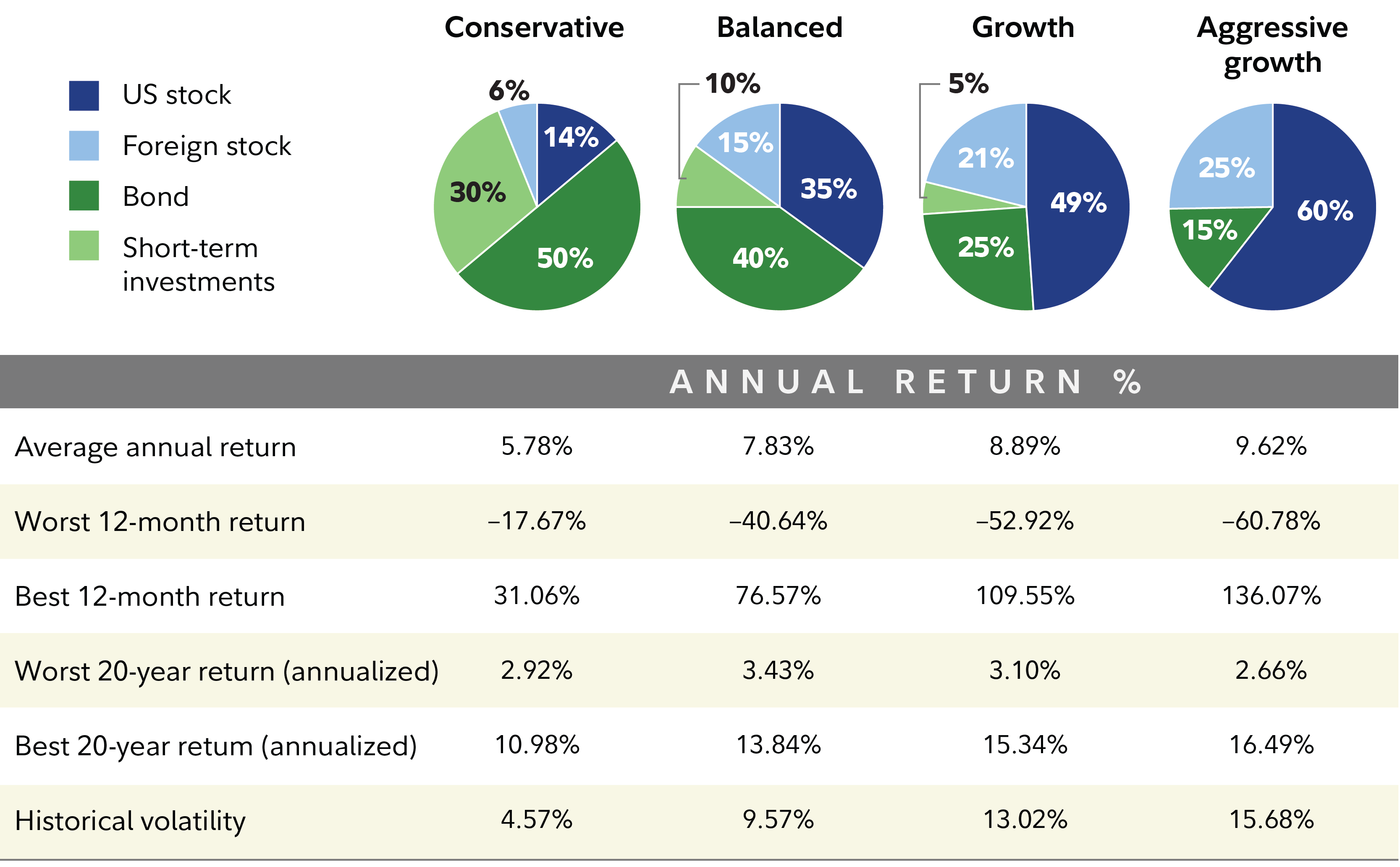
Edward Jones recommends no stock over 5% of your portfolio, per their principles guide. Mix sectors: Tech for growth, staples for stability.
But over-diversify? You mimic indexes without upside. Aim for focused diversity.
- 25% tech, 15% health care.
- Include international via funds.
- Rebalance yearly to maintain ratios.
This rule shields from Enron-like disasters. Winners sleep easy; bag-holders panic.
Hidden Rule 5: Cut Losses Quickly – The Art of Saying Goodbye Early
Holding a loser hoping it rebounds? Classic bag-holder move. Winners set stop-losses, automatic sells at 7-10% drops—to preserve capital.
The disposition effect, where we cling to losers, destroys returns. Studies in Medium analyses show cutting early frees cash for winners.
Use trailing stops for profits too. Remember: A 50% loss needs 100% gain to break even.
- Set rules pre-buy: Exit if fundamentals change.
- Avoid averaging down on duds.
- Learn from losses; don’t emotionalize.
This hidden rule turns potential disasters into lessons. Bag-holders ignore it at their peril.

Hidden Rule 6: Let Winners Run – Ride the Momentum of Strong Performers
Trimming winners too soon? Bag-holders do; winners let them compound. If a stock doubles with solid fundamentals, hold on.
Chris Mayer’s 100 Baggers shows multi-baggers come from patience. Momentum persists, stocks up past 6 months often continue, per behavioral finance.
But monitor: Sell if moats weaken. Yahoo Finance charts track trends.
- Reinvest dividends for growth.
- Avoid tax-triggering sells prematurely.
- Balance with portfolio reallocation.
This rule multiplies wealth. Winners harvest big; bag-holders cap gains.
Hidden Rule 7: Master Your Emotions – Overcome Behavioral Biases in Stock Investing
Greed and fear wreck more portfolios than bad picks. Winners recognize biases like confirmation (seeking affirming news) or loss aversion (holding losers).
Prospect theory explains why we risk more to avoid losses, as in Investopedia’s art of cutting losses. Journal trades to spot patterns.
Build habits: Stick to plans, ignore noise.
- Use checklists for buys/sells.
- Take breaks during volatility.
- Join communities for accountability.
This hidden rule keeps decisions rational. Bag-holders let emotions rule; winners stay cool.

Hidden Rule 8: Hold for the Long Term, But Know When to Sell
Day trading? Bag-holders chase quick wins; winners think decades. Long-term holding captures compounding, per Buffett’s advice in Motley Fool articles.
But it’s not buy-and-forget: Sell if thesis changes, like lost moats or scandals.
Set criteria: Exit if earnings drop 20% unexplained.
- Tax advantages favor long holds.
- Annual reviews suffice.
- Avoid market timing.
This rule builds empires. Winners endure; bag-holders flip flop.
Winners vs. Bag-Holders: A Clear Comparison Table of Stock Investing Behaviors
To visualize, here’s how these rules play out. Data inspired by Dimensional Fund Advisors’ principles and real investor stats.
| Behavior/Rule | Winners (Top Performers) | Bag-Holders (Common Losers) |
|---|---|---|
| Research Depth | Thorough fundamentals analysis | Relies on tips or hype |
| Moat Focus | Prioritizes durable advantages | Chases trendy, unproven ideas |
| Valuation Approach | Buys with safety margin | Pays premium during bubbles |
| Diversification | 15-30 stocks across sectors | Concentrated bets on 1-5 picks |
| Loss Management | Cuts at 7-10% with stops | Holds “until it comes back” |
| Winner Strategy | Lets them run if strong | Sells early for small gains |
| Emotional Control | Uses checklists, ignores biases | Driven by fear/greed |
| Holding Horizon | Long-term with sell triggers | Frequent trading or indefinite holds |
Winners average 10-15% annual returns; bag-holders often lag markets by 4-5%, per studies.
Real-Life Examples: How These Hidden Rules Turned Losers Into Winners
Take Enron survivors: Those cutting losses early escaped ruin. Or Tesla holders: Winners with moats let it run from $50 to $1,000+ splits-adjusted.
One Reddit tale in r/stocks: A user ditched losers for NVDA, multiplying gains. Bag-holders waited vainly.
In 2026, with AI booms, apply these: Research disruptors, but diversify.
Common Pitfalls: Why Most Ignore These Hidden Rules and End Up Bag-Holding
Overconfidence: Thinking you’re smarter than markets. SEC’s investor tips warn against this.
No plan: Trading without rules leads to chaos. Overtrading fees eat returns, as Morningstar notes.
FOMO: Buying peaks ignores safety margins.
Avoid by starting small, tracking progress.
Applying These Rules in 2026: Stock Investing Strategies for Volatile Markets
Markets shift: Rate cuts, AI growth per Morgan Stanley outlooks. Use rules to navigate.
Screen stocks with Finviz. Build portfolios blending rules.
For beginners: Start with ETFs, graduate to singles once rules mastered.
Advanced Tips: Scaling Up Your Stock Investing Game with These Rules
High-net-worth? Use collars for hedging, per Commons LLC strategies.
Automate: Apps like M1 Finance enforce diversification.
Track biases with journals. Join Bogleheads forums for peer insights.
The Long-Term Payoff: Why Mastering These Hidden Rules Builds Lasting Wealth
Compounding magic: Follow rules, and modest investments grow exponentially. DQYDJ calculators show winners hit millionaire status faster.
In uncertain 2026, these guard against recessions. Bag-holders regret; winners thrive.

Wrapping Up: Don’t Be a Bag-Holder – Embrace These 8 Hidden Rules Today
We’ve decoded the 8 hidden rules that elevate stock investing from gamble to strategy. From moats to emotional mastery, they’re your shield against losses.
Remember: Winners research, diversify, cut quick, and hold smart. Bag-holders don’t. In 2026’s dynamic markets, start applying one rule today, your portfolio will thank you.
CTA: Ready to ditch bag-holding? Grab Dorsey’s book on Amazon. Share this if it saved you from a bad buy. What’s your toughest rule to follow? Comment below! Dive deeper into moats at Investopedia. Share now!