Introduction: $8.9 Billion Trade-in Scheme

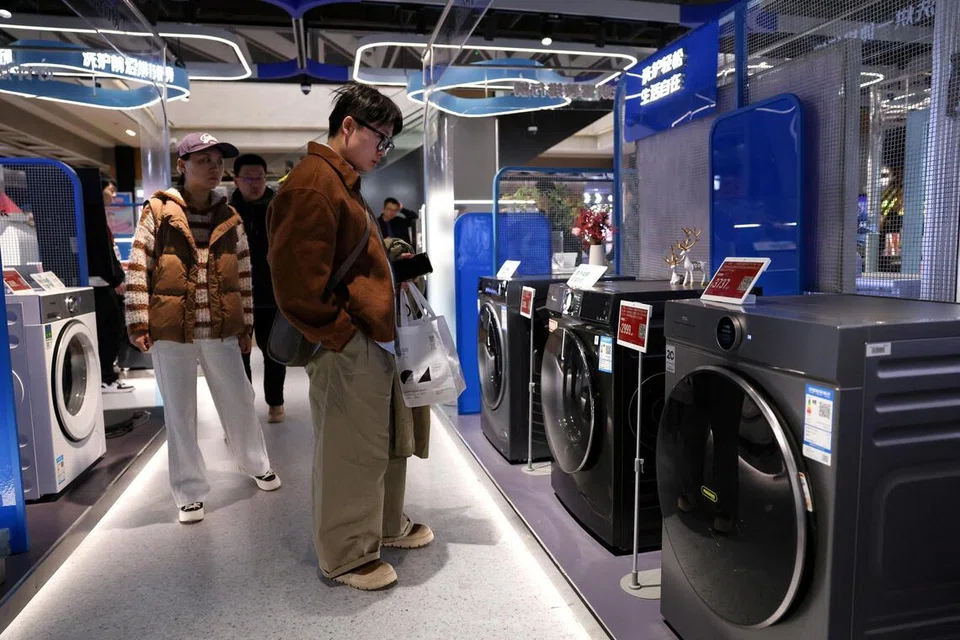
Imagine walking into a bustling Beijing appliance store in early 2026, where families excitedly trade in old fridges for shiny new ones, at 15% off, courtesy of the government. Meanwhile, across town, a young professional scraps their aging phone for a Huawei model, pocketing a subsidy that makes foreign brands suddenly feel overpriced.
This isn’t hype, it’s China’s bold $8.9 billion trade-in scheme kicking into high gear, sparking a shocking consumer shift that’s quietly favoring homegrown products and leaving global brands scrambling. As we start 2026, this program could reshape markets forever.
What Is China’s $8.9 Billion Trade-In Scheme and Why It’s Shocking in 2026
At its heart, China’s trade-in scheme offers subsidies when consumers replace old goods with new ones, boosting spending amid economic headwinds. Launched in 2024 and expanded massively, the government front-loaded 62.5 billion yuan (about $8.9 billion) in late 2025 for the 2026 program, drawn from ultra-long special treasury bonds.
As detailed in Reuters reporting, this initial tranche supports early-year demand, especially around holidays. The full 2026 scale might match or exceed 2025’s 300 billion yuan total.
Shocking? It directly incentivizes upgrades in appliances, cars, and now digital gadgets, while subtly steering buyers toward affordable domestic options.
Key Details of China’s Trade-In Scheme Subsidies for 2026
The program targets everyday big-ticket items, making upgrades irresistible. Here’s the breakdown:
- Home Appliances (refrigerators, washing machines, TVs, air conditioners, etc.), 15% subsidy, capped at 1,500 yuan per item.
- Cars — Up to 20,000 yuan for scrapping old vehicles and buying new energy vehicles (NEVs); lower for fuel-efficient gas cars.
- Digital & Smart Products (new in 2026), Smartphones, tablets, smartwatches, wristbands: 15% rebate, capped at 500 yuan each.
Per CnEVPost coverage, auto subsidies shift to percentage-based in 2026, favoring pricier models, but caps remain generous for NEVs.
This expansion builds on 2025’s success, where trade-ins drove trillions in sales.

The Shocking Consumer Shift Fueled by China’s Trade-In Scheme
Here’s the real bombshell: Subsidies make domestic brands like Haier, Midea, Xiaomi, BYD, and Huawei far more attractive. Why pay full price for an iPhone when a comparable Chinese phone costs less after rebate?
In 2025, the program already boosted local players. NEVs (mostly Chinese) claimed over 60% of subsidized car sales. Appliance giants saw surges as consumers opted for value.
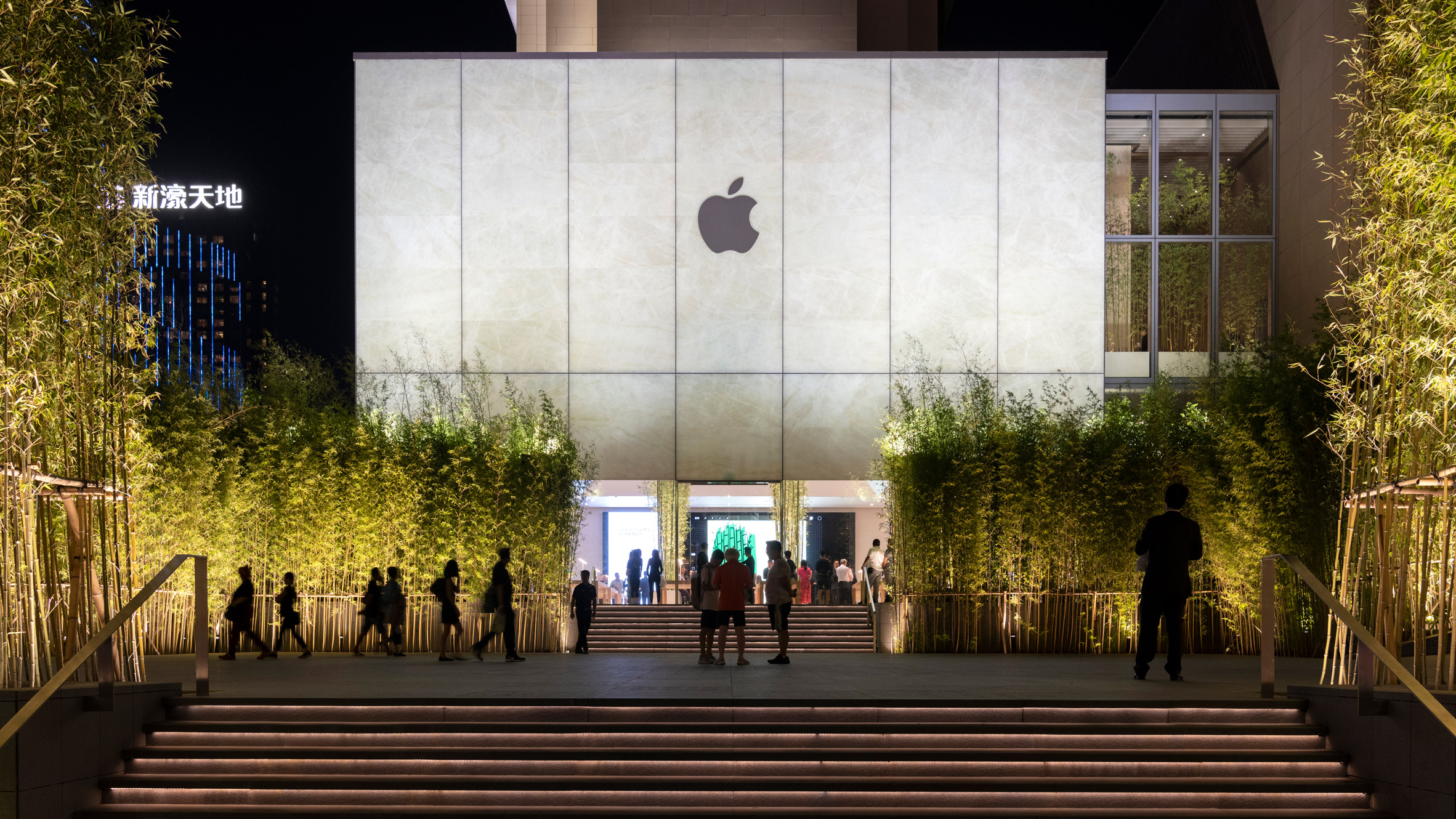
For global brands? Pressure mounts. Apple benefited short-term from discounts, but long-term, Bloomberg notes the scheme prioritizes domestic demand, potentially eroding loyalty as prices tilt the field.
This shift isn’t accidental; it’s part of boosting self-reliance amid trade tensions.
Impact on Global Brands: Could China’s Trade-In Scheme Break Them in 2026?
Global giants face a tough 2026. Tesla, Samsung, Whirlpool, and others compete against subsidized locals who dominate supply chains and pricing.
- Autos → BYD and peers undercut foreign EVs, even with subsidies.
- Electronics → Huawei/Xiaomi phones gain from digital rebates; Apple saw temporary lifts but risks share loss.
- Appliances → Haier/Midea flood markets with efficient, cheap options.
As South China Morning Post highlights, the program adds smart home tech, favoring Chinese ecosystems.
Shocking prediction: If trends hold, foreign market shares could dip 5-10% in key segments by year-end.
Comparing Subsidies: China’s Trade-In Scheme Categories at a Glance
To see the scope, here’s a table summarizing 2026 subsidies (based on announcements; caps unchanged from 2025):
| Category | Eligible Items | Subsidy Rate | Max per Item (Yuan) | Likely Beneficiaries |
|---|---|---|---|---|
| Home Appliances | Fridges, washers, TVs, ACs, etc. | 15% | 1,500 | Haier, Midea (domestic heavy) |
| Automobiles | NEVs, efficient gas cars | 8-12% | 15,000-20,000 | BYD, Li Auto (NEV leaders) |
| Digital/Smart Products | Phones, tablets, watches, bands | 15% | 500 | Huawei, Xiaomi |
| Other Expansions | Smart home, elder-care items | Varies | TBD | Emerging Chinese tech |
Data synthesized from China Daily and NDRC statements. Domestic firms poised to capture most gains.
Why This Consumer Shift Matters for China’s Economy in 2026
Beyond brands, the scheme tackles sluggish demand. 2025 saw retail boosted by over 1 point from trade-ins; 2026 aims higher with early funding.
It promotes green upgrades (NEVs, efficient appliances) and counters deflation. But critics note it favors lower-end spending, potentially hitting premium imports hardest.
For consumers? Huge wins, cheaper upgrades mean more disposable income elsewhere.
Potential Downsides and Challenges of China’s Trade-In Scheme
Not all smooth: 2025 saw fraud crackdowns and fund shortages in provinces. 2026’s lower initial tranche (vs 81 billion in 2025 Q1) might cause waits.
Over-reliance on subsidies risks pull-forward demand, leaving post-program slumps. Global brands may counter with deeper discounts, sparking price wars.
Still, momentum favors locals.
What’s Next: How China’s Trade-In Scheme Evolves in 2026
Expect quarterly funds, possible mid-year boosts if growth lags. Focus on smart/green products aligns with tech self-sufficiency.
For investors: Watch domestic stocks soar; globals brace for volatility.
Final Thoughts: The Shocking Reality of China’s Consumer Shift in 2026
China’s $8.9 billion trade-in scheme isn’t just stimulus, it’s a game-changer driving consumers toward domestic brands, potentially breaking global dominance in key markets. From appliances to phones and cars, the shift is underway, fueled by smart subsidies.
In 2026, this could redefine competition. Exciting for Chinese firms, shocking for the rest.
CTA: What do you think, will this break global brands? Share your take below! Dive deeper with Reuters full details. Spread the word, share now if this opened your eyes!