Introduction: Fire Season for Finance.

The markets are roaring at all-time highs, AI hype is everywhere, and deregulation feels like fuel on dry tinder. Then comes Ken Miller’s chilling warning: “It’s fire season for finance.”
A veteran Wall Street insider who orchestrated billion-dollar deals, Miller predicts in his recent Economist article that unchanged bonus structures and slashed regulations are priming the system for the next big blaze, one that could torch everyday investors’ wealth if we’re not prepared.
As we enter 2026, his words hit harder than ever. This isn’t abstract theory; it’s a wake-up call from someone who’s seen crises brew firsthand. Let’s break down Miller’s concerns and translate them into 7 shocking but actionable money moves to fireproof your finances.

Why Ken Miller Says It’s Fire Season for Finance in 2026
Miller, former Vice Chairman at Merrill Lynch and Credit Suisse First Boston, knows the game’s dark side. In his December 2025 Economist guest piece, he argues that 17 years after Lehman, the fuel is piling up again.
Key sparks he highlights:
- Bonus-driven short-termism: Traders chase massive payouts tied to quick wins, not long-term stability, like gamblers at a high-stakes table.
- Non-bank shadow explosion: Lightly regulated trading shops and hedge funds now drive much risk, migrating talent with even bigger, faster bonuses.
- Deregulation winds: Recent rollbacks fan the flames, echoing pre-2008 laxity.
- AI and tech froth: Overhyped valuations create dry kindling for a spark.
Miller warns this mix could ignite faster than last time. For regular folks, the fire spreads through plunging portfolios, frozen credit, and job losses. But unlike wildfires, we can prepare.

The Shocking Risks If You Ignore Fire Season Warnings
History shows crises don’t spare the sidelines. The 2008 blaze wiped trillions, hitting retirement accounts and home values hard.
In 2026, Miller fears a repeat, amplified by concentrated tech bets and private credit booms. Recent auto loan delinquencies and CEO warnings hint at hidden embers.
Ignore it, and your wealth burns slow or fast: Market drops erode savings, inflation eats cash, debt compounds. But act now, and you contain the damage.
7 Shocking Money Moves to Protect Your Wealth in Fire Season
Drawing from Miller’s insights and proven strategies, here are 7 urgent moves. Think of them as clearing brush, building firebreaks, and stocking water before the blaze hits.
Move 1: Slash High-Interest Debt Ruthlessly
Debt is accelerant, high rates let small sparks become infernos. Miller notes unchecked leverage fueled past crises.
- Pay off credit cards and personal loans first (average rates 20%+).
- Refinance mortgages or student loans while rates allow.
- Avoid new variable-rate debt in volatile times.
Shocking stat: Americans carry $1 trillion in credit card debt, pure fuel.
Move 2: Build a Cash Firebreak (Emergency Fund)
Miller stresses systemic fragility; one shock, and liquidity vanishes.
Aim for 6-12 months expenses in high-yield savings (currently 4-5%).
- Automate transfers now.
- Keep it liquid, not locked in stocks.
This buffer lets you weather layoffs or market freezes without forced sales.
Move 3: Diversify Beyond Big Tech Bonfires
AI hype mirrors pre-crash housing, concentrated risk.
Miller warns of short-term chasing in non-banks.
- Spread across asset classes: Stocks, bonds, international, commodities.
- Include defensive sectors (utilities, healthcare).
- Add gold or TIPS for inflation hedges.
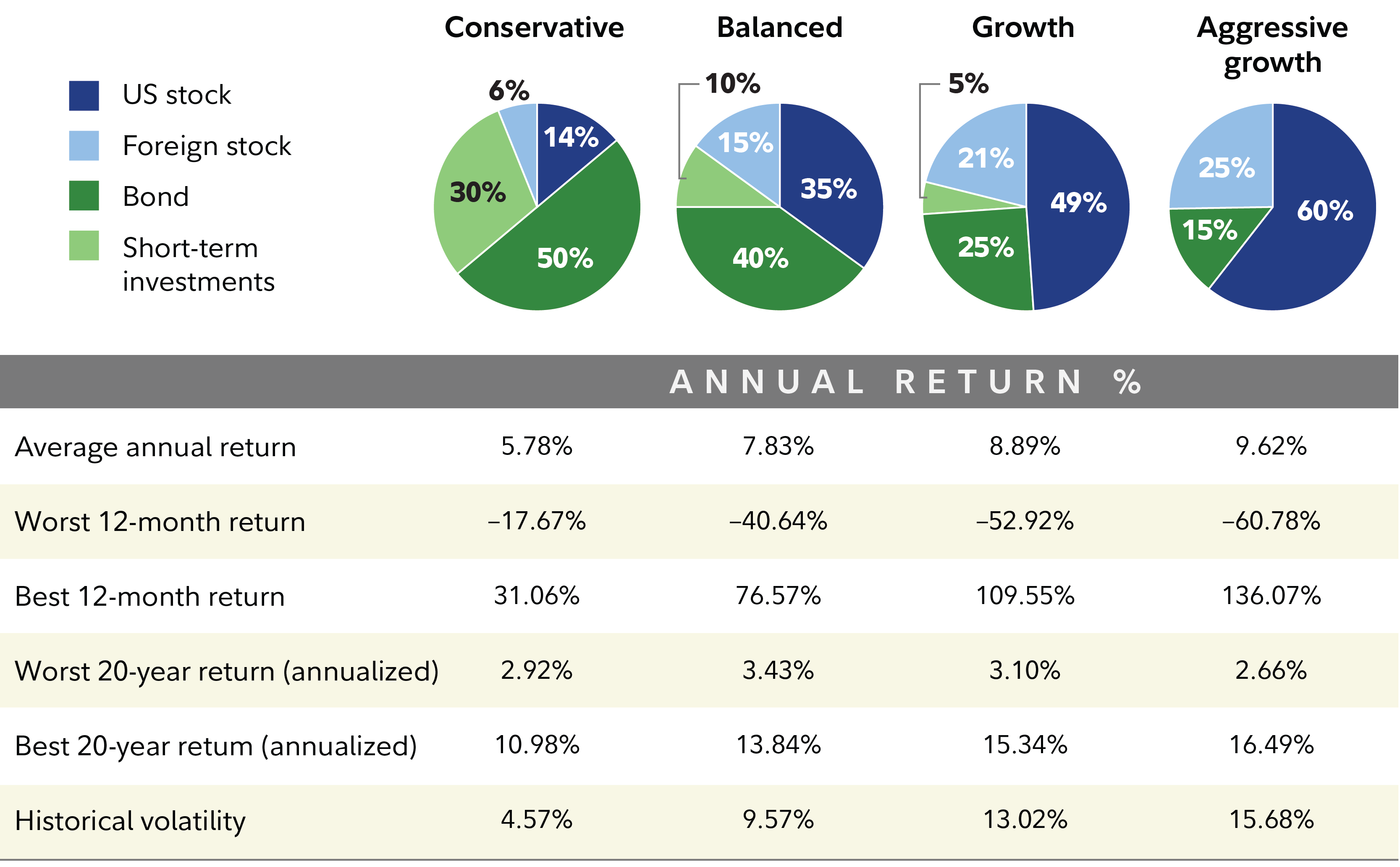
See this sample diversified allocation vs concentrated:
| Portfolio Type | Stocks (Tech Heavy) | Bonds | International | Cash/Alternatives | Historical Volatility |
|---|---|---|---|---|---|
| Concentrated (Risky) | 80% | 10% | 5% | 5% | High |
| Diversified (Fire-Resistant) | 50% | 30% | 15% | 5% | Medium |
Diversification doesn’t prevent losses but contains them.

Move 4: Boost Insurance Shields
Crisis often brings unexpected hits, health issues, job loss, liability.
Miller’s world saw reputations and fortunes burn overnight.
- Review life, disability, umbrella policies.
- Max health savings accounts (HSAs) for triple tax benefits.
- Consider long-term care early.
Umbrella insurance is cheap protection against lawsuits, your personal fire department.


Move 5: Stress-Test Your Portfolio Like a Banker
Miller knows banks failed stress tests pre-2008.
Do your own:
- Simulate 30-50% market drop, can you sleep?
- Check bond duration vs rising rates.
- Rebalance annually to sell high, buy low.
Tools like Vanguard’s investor questionnaire help.
Move 6: Avoid Bonus-Chasing Traps in Your Investments
Wall Street’s short-termism infects retail too, meme stocks, crypto FOMO.
Miller calls it skewed incentives.
- Stick to low-cost index funds.
- Ignore hot tips; focus long-term.
- Set rules-based investing (e.g., dollar-cost average).
Shocking truth: Most active traders underperform markets.
Move 7: Plan for Multiple Scenarios, Don’t Assume Calm Forever
Miller predicts acceleration this time.
Build flexibility:
- Side income streams.
- Roth conversions for tax diversity.
- Estate planning updates.
Think in probabilities, not certainties.


Real Talk: What If the Fire Comes Anyway?
Even prepared, some heat reaches everyone. Miller’s point: Better a controlled burn than wildfire.
History shows markets recover, those who didn’t panic thrived. Your moves buy time and options.
Final Sparks: Act Now on Ken Miller’s Fire Season Warnings
Ken Miller isn’t fearmongering; he’s pattern-spotting from decades inside the machine. His “fire season” metaphor is stark but spot-on: Conditions are ripe, but personal preparation works.
These 7 moves aren’t glamorous, they’re practical firebreaks. Start one today: Check debt, boost cash, diversify.
Your wealth isn’t doomed to burn. With foresight, it emerges stronger.
CTA: Which move hits home first? Share in comments. Forward this to someone chasing hot stocks, they need the warning. Dive deeper into Miller’s full piece here. Ready for a portfolio stress test? Book a free review or share now!